How to Start a Garden
A small, realistic plan for growing food in a yard, raised bed, patio, or balcony.
A garden can be a bed in the yard, a box by the door, or three pots on a balcony. Begin with the space and time you already have. You can grow more after the first small garden feels easy to care for.
Choose the kind of garden that fits your space
- Plant in the ground when the soil drains well and is easy to reach.
- Use a raised bed when the ground is rocky, shallow, packed, or slow to drain.
- Use containers on a patio, balcony, driveway, or any sunny hard surface.
Keep the first garden small enough that watering does not feel like a job. One short bed or a few roomy pots can teach you a great deal. Large wet containers become heavy, so choose their final spot before you fill them.
Watch the light before you buy plants
Check the space in the morning, near midday, and late in the day. Most food plants prefer plenty of direct sun, but leafy crops can often use a spot with less. Walls and pavement can make a sunny space hotter. Match each plant to the light you truly have.
A spot near the kitchen or a door is easy to notice. You are more likely to catch dry soil, weeds, and ripe food early.

Make water easy
Put the garden where a hose or watering can can reach it. Containers and raised beds can dry faster than the ground. In hot, dry weather, some pots may need a check every day. Water slowly enough to reach the roots, then let extra water drain.
Give roots a good home
For a yard garden, test the soil before adding fertilizer or lime. Work the ground only when it crumbles into loose clumps instead of sticking to your tools. For containers, use fresh potting mix and pots with room for the roots.
A raised bed can start with good topsoil and compost. Keep it narrow enough to reach the middle without walking on the soil. A bed about three to four feet wide works well for many adults.
Pick a few plants you will use
Choose food you enjoy. Then check the plant's season, full size, sunlight, and time to harvest. Compact or bush varieties can fit small spaces. Herbs, leafy greens, and strawberries can make a first container garden feel useful without taking over the patio.
- Full sun
- 25 to 35 days
- Grows in a pot
- 2 to 4 in apart
- Easy
Green Beans
A warm-season crop picked while the pods are crisp and the seeds inside are still small.
- Full sun
- 50 to 60 days
- Grows in a pot
- 3 to 4 in apart
 Easy
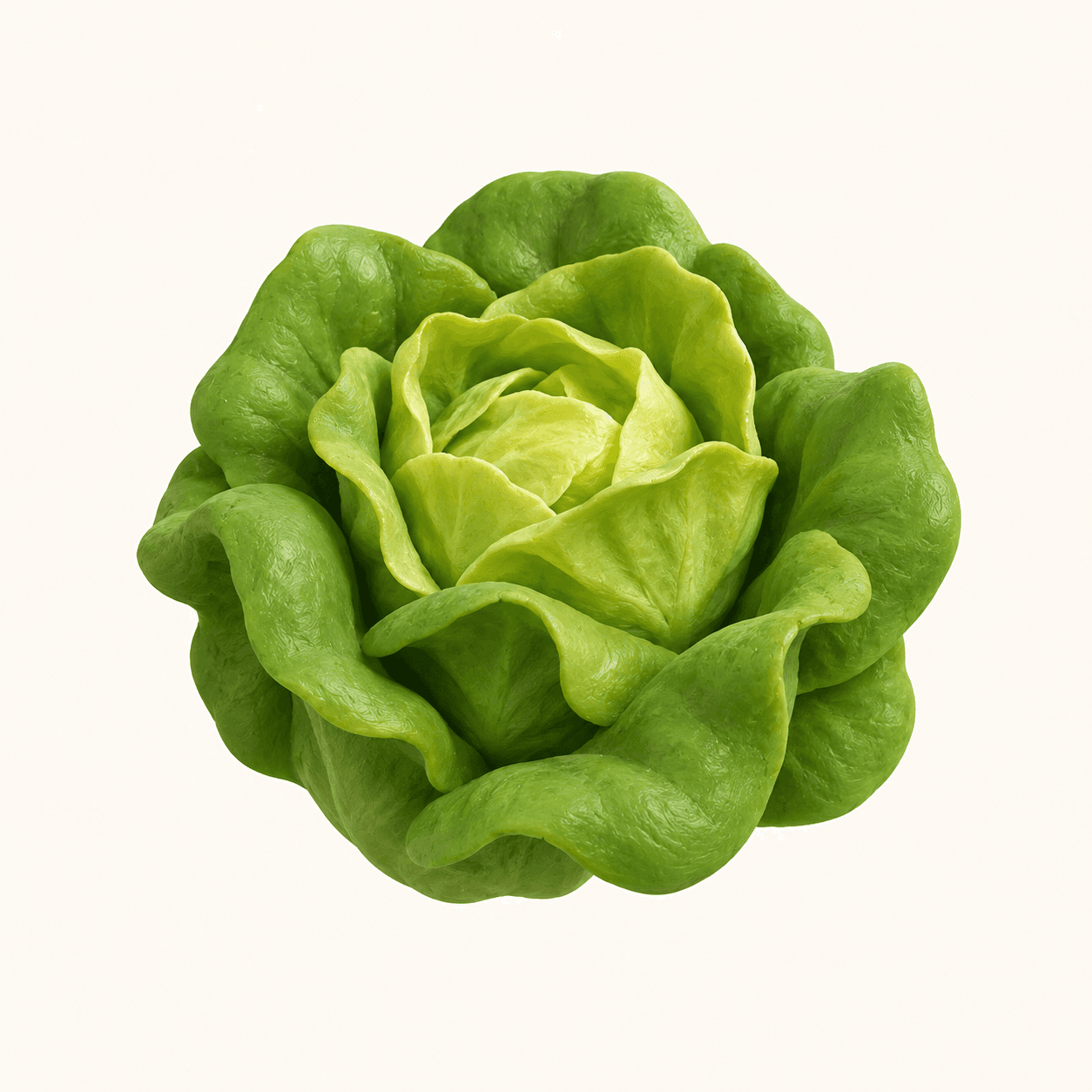
EasyLettuce
A fast, cool weather leaf crop that you can pick from for weeks. It is at its best in spring and autumn, and turns bitter in a hot, dry spell.
- Part sun
- 50 to 70 days
- 1 gal pot or bigger
- 5 to 12 in apart
- Full sun
- 55 to 70 days
- Grows in a pot
- 1 to 3 in apart
 Easy
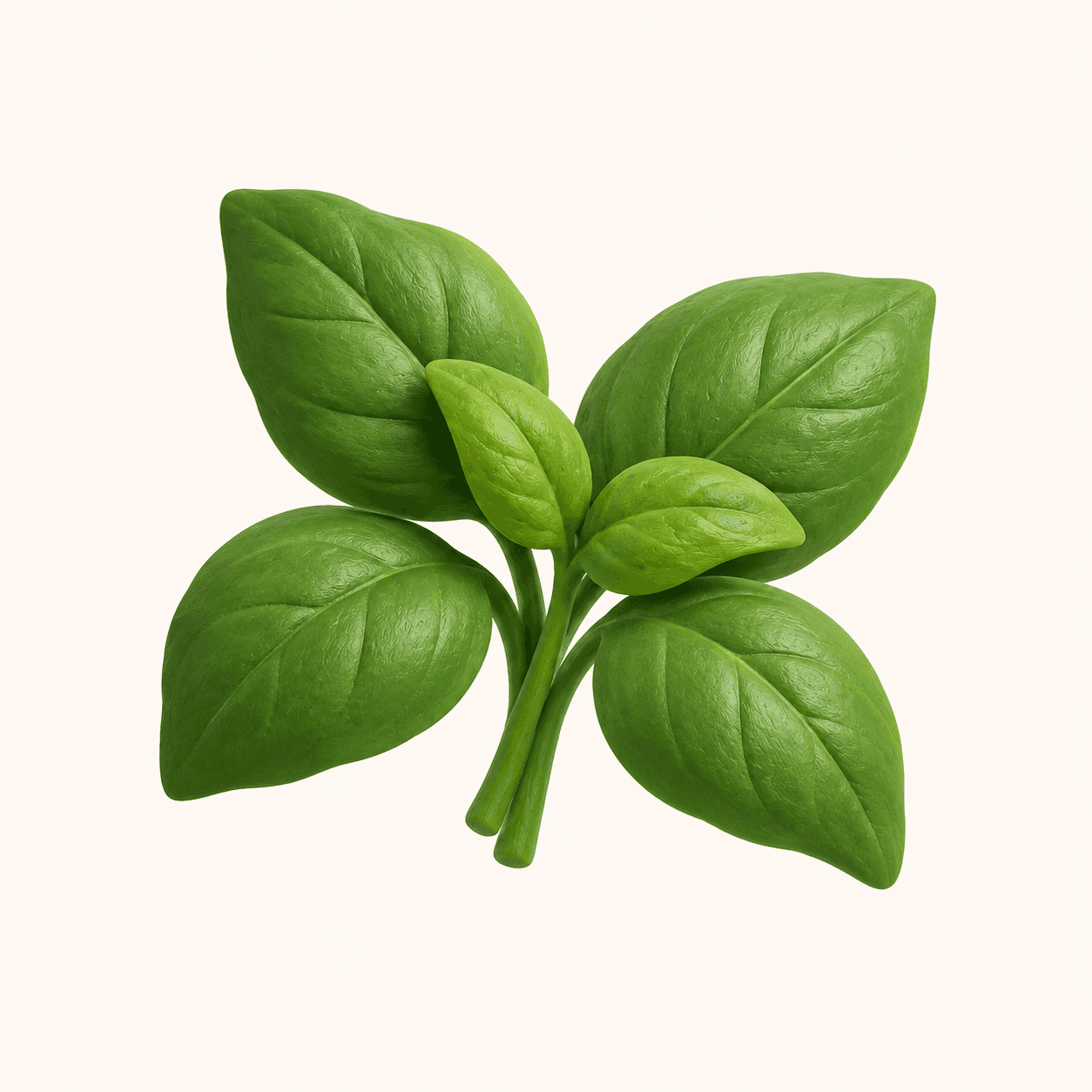
EasyBasil
A tender summer herb that grows fast, hates cold nights, and gives more the more often you cut it.
- Full sun
- 50 to 75 days
- 2 gal pot or bigger
- 6 to 12 in apart
- Full sun
- 45 to 80 days
- Grows in a pot
- 3 to 6 in apart

 Full sun
 25 to 35 days
 Grows in a pot
 2 to 4 in apart
Plant for your weather
Planting time changes with the crop and your local weather. Cool-season plants can grow in cooler conditions. Warm-season plants usually need warm soil and protection from frost. Use the crop page and your local frost dates instead of trusting one national planting date.
Your first garden in six steps
- Choose one small place that gets useful sun.
- Make sure water is close and extra water can drain.
- Prepare the soil or fill containers with potting mix.
- Choose a few plants that suit the season and space.
- Plant at the depth and spacing shown on each crop page.
- Check the garden often and change one thing at a time.
Your first garden does not need to be impressive. It needs to be close enough, small enough, and useful enough that you want to visit it.
Sources
- Planting the vegetable garden (University of Minnesota Extension)
- Growing Vegetables In Containers (University of New Hampshire Extension)
- Raised Beds (Clemson Cooperative Extension)
Crops in this guide
- Easy
Basil
A tender summer herb that grows fast, hates cold nights, and gives more the more often you cut it.
- Full sun
- 50 to 75 days
- 2 gal pot or bigger
- 6 to 12 in apart
- Easy
Lettuce
A fast, cool weather leaf crop that you can pick from for weeks. It is at its best in spring and autumn, and turns bitter in a hot, dry spell.
- Part sun
- 50 to 70 days
- 1 gal pot or bigger
- 5 to 12 in apart
- Takes some care
Strawberry
A low perennial that fruits for years once established. The first summer is about getting the plants settled; the real crop comes after that.
- Full sun
- 300 to 400 days
- 2 gal pot or bigger
- 12 to 18 in apart
- Takes some care
Carrot
A root crop that asks for little except loose, stone free ground and patience while it germinates.
- Full sun
- 70 to 80 days
- 2 to 4 in apart
- Takes some care
Tomato
A warm season fruit that almost everyone treats as a vegetable, and the crop most people try first. It needs heat, steady water and something to lean on.
- Full sun
- 50 to 85 days
- 5 gal pot or bigger
- 24 to 36 in apart
- Full sun
- 45 to 80 days
- Grows in a pot
- 3 to 6 in apart
- Easy
Mint
A quick-growing perennial herb for drinks, cooking and tea. Grow it in a pot because its creeping roots spread fast.
- Part sun
- Grows in a pot
- 18 in apart
- Takes some care
Potato
A cool-season vegetable grown from small seed potatoes or pieces, with the harvest forming out of sight under loose soil.
- Full sun
- 90 to 120 days
- 8 to 12 in apart
- Full sun
- 3 to 4 in apart
- Takes some care
Cucumber
A warm-season vine grown for crisp green fruit that is picked before it turns yellow.
- Full sun
- Grows in a pot
- 8 to 12 in apart
- Full sun
- 50 to 65 days
- 24 to 36 in apart
- Takes some care
Bell Pepper
A sweet, warm-season pepper that can be picked green or left to ripen to its final color.
- Full sun
- 70 to 85 days
- 5 gal pot or bigger
- 18 in apart
- Takes some care
Chili Pepper
A warm-season pepper grown for pods that range from gently warm to very hot.
- Full sun
- 70 to 120 days
- 5 gal pot or bigger
- 12 to 24 in apart
- Easy
Green Onion
An onion grown for its mild green stalks and small white base instead of a dry storage bulb.
- Full sun
- Grows in a pot
- 2 to 4 in apart
- Takes some care
Onion
A cool-season plant grown into a bulb that is dried, cured and stored after the tops fall.
- Full sun
- 3 to 4 in apart
- Full sun
- Grows in a pot
- 2 to 4 in apart
- Full sun
- Grows in a pot
- 8 to 12 in apart
- Full sun
- 25 to 35 days
- Grows in a pot
- 2 to 4 in apart
- Full sun
- 8 to 10 in apart
- Full sun
- 15 to 18 in apart
- Easy
Green Beans
A warm-season crop picked while the pods are crisp and the seeds inside are still small.
- Full sun
- 50 to 60 days
- Grows in a pot
- 3 to 4 in apart
- Full sun
- 55 to 70 days
- Grows in a pot
- 1 to 3 in apart
- For a confident grower
Blueberry
A long-lived fruit shrub that needs much more acidic soil than most garden crops.
- Full sun
- 36 to 48 in apart
- Takes some care
Raspberry
A perennial berry with long-lived roots and canes that live for only one or two growing seasons.
- Full sun
- 24 to 36 in apart
- Full sun
- Grows in a pot
- 10 to 12 in apart
- Takes some care
Rosemary
A woody evergreen herb that likes strong sun, sharp drainage and less water than most kitchen herbs.
- Full sun
- Grows in a pot
- Full sun
- Grows in a pot