How to Start a Vegetable Garden
A simple first plan for choosing a spot, preparing the soil, and planting vegetables you will enjoy eating.
You do not need a big yard or a perfect plan. Start with one small space, a few plants, and a water source you can reach. Your first garden is a place to learn what grows well for you.
1. Pick a spot you will notice
Most vegetables grow best with at least six hours of direct sun. Watch your space for a day and note where the sun stays longest. Pick a spot near water and somewhere you pass often. A garden you see is easier to care for.
Do not give up if your space gets less sun. Leafy crops often need less sun than fruiting crops such as tomatoes. Check each crop page before you plant.

2. Start smaller than you think
A small garden is easier to water, weed, and learn from. Try a few large pots, one short row, or one raised bed. If you build a raised bed, keep it about three to four feet wide so you can reach the middle without stepping on the soil.
- Use an in-ground bed if the soil drains well and is easy to work.
- Use a raised bed if the ground is rocky, shallow, compacted, or slow to drain.
- Use containers if you have a patio, balcony, driveway, or other small sunny space.
3. Get the soil ready
Healthy roots need soil that holds some moisture but lets extra water drain away. For a new in-ground or raised garden, a soil test can tell you what is missing. Add compost or fertilizer because the soil needs it, not because more must be better.
Wait if the ground is soggy. Soil that sticks to your shoes or tools is too wet to work. When it breaks into loose clumps in your hand, it is ready. For pots, use fresh potting mix instead of soil dug from the yard.
4. Choose crops that fit your life
Grow food you already like to eat. Then check how much sun, room, and time each crop needs. A quick leafy crop can give you an early win. One longer crop can teach you how the garden changes through the season.
- Full sun
- 25 to 35 days
- Grows in a pot
- 2 to 4 in apart
- Easy
Green Beans
A warm-season crop picked while the pods are crisp and the seeds inside are still small.
- Full sun
- 50 to 60 days
- Grows in a pot
- 3 to 4 in apart
- Full sun
- 50 to 65 days
- 24 to 36 in apart
 Easy
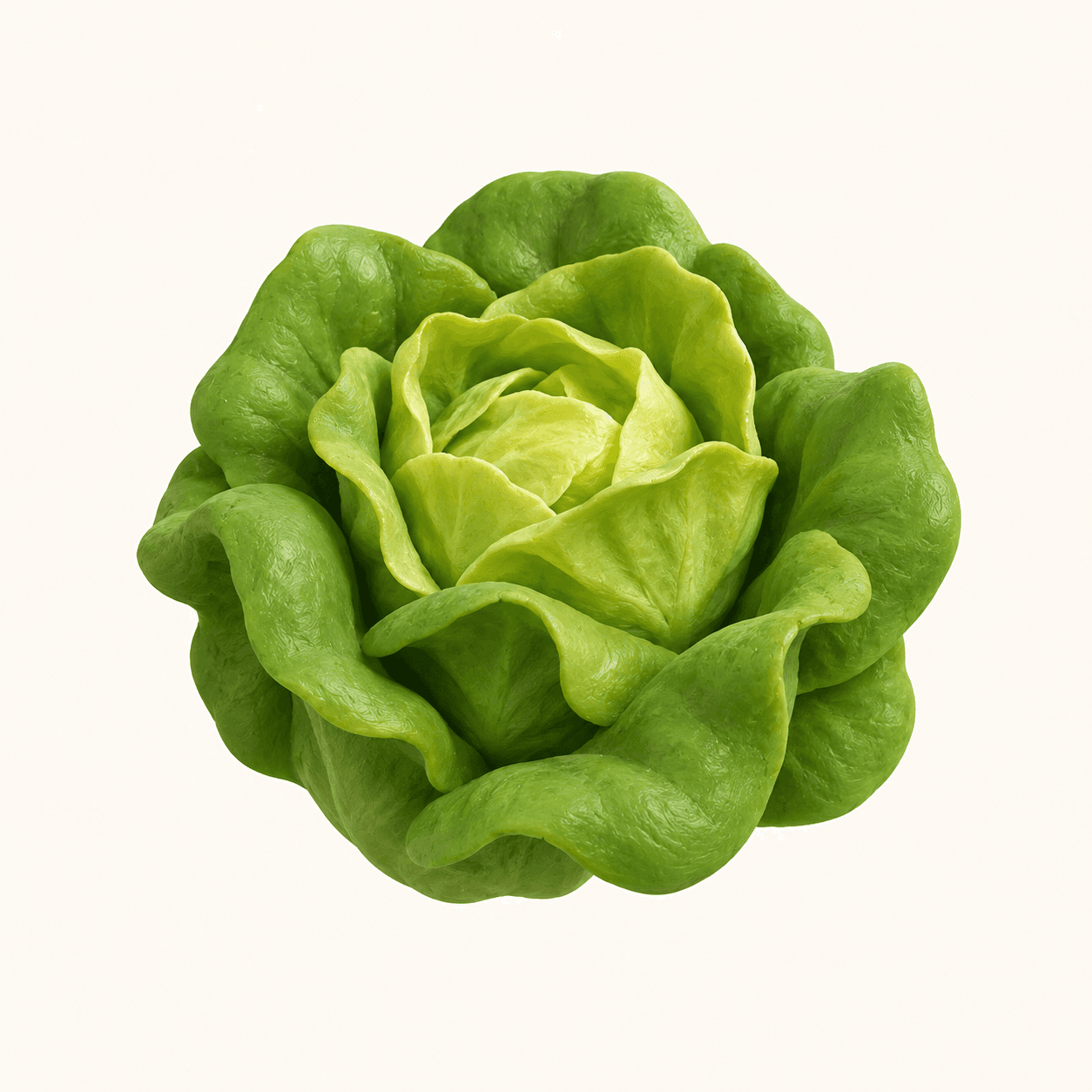
EasyLettuce
A fast, cool weather leaf crop that you can pick from for weeks. It is at its best in spring and autumn, and turns bitter in a hot, dry spell.
- Part sun
- 50 to 70 days
- 1 gal pot or bigger
- 5 to 12 in apart
- Full sun
- 55 to 70 days
- Grows in a pot
- 1 to 3 in apart
 Easy
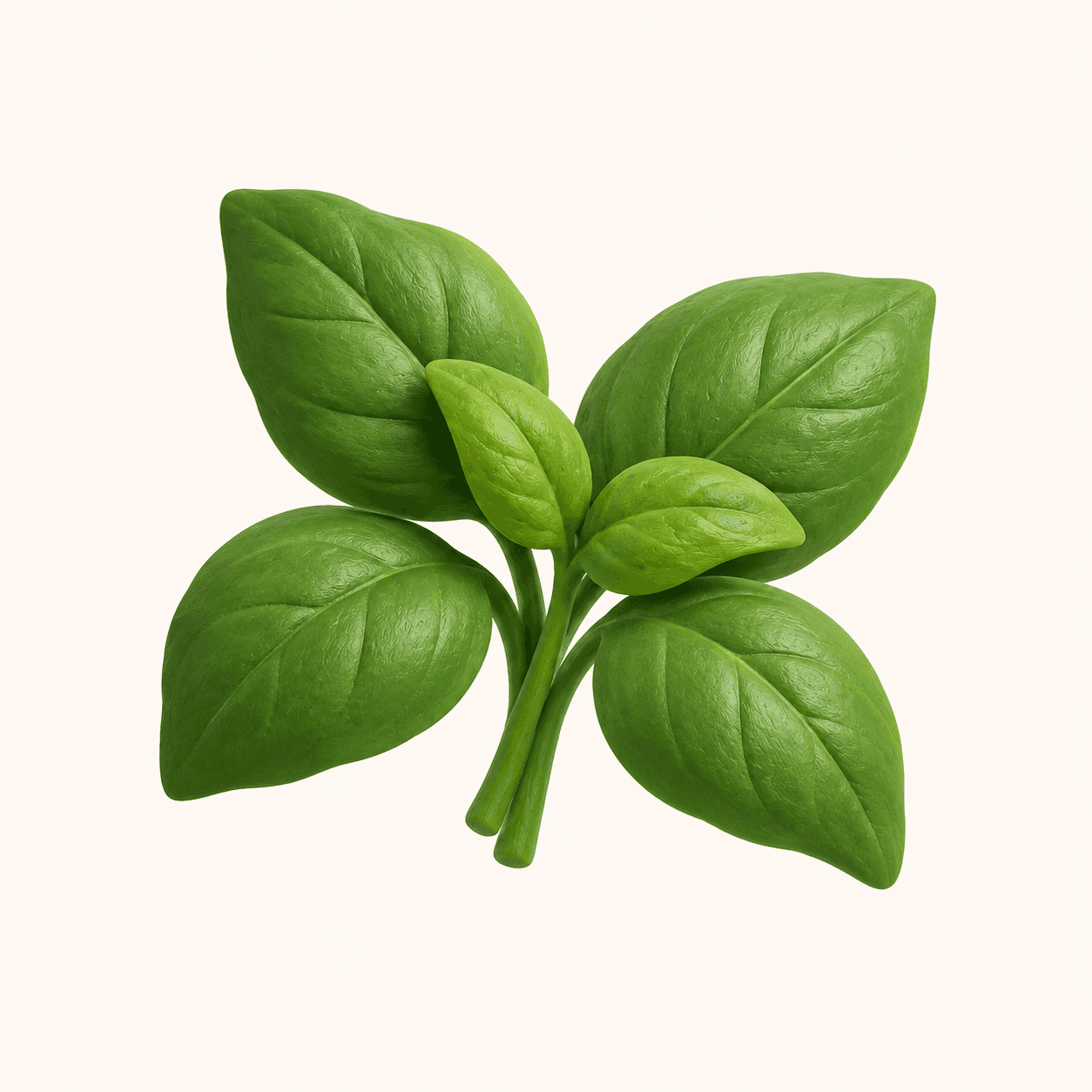
EasyBasil
A tender summer herb that grows fast, hates cold nights, and gives more the more often you cut it.
- Full sun
- 50 to 75 days
- 2 gal pot or bigger
- 6 to 12 in apart

 Full sun
 25 to 35 days
 Grows in a pot
 2 to 4 in apart
5. Plant at the right time
The date on a national calendar is only a clue. Your local frost dates, current weather, and soil temperature matter more. Cool-season crops can handle cooler weather. Warm-season crops usually need warm soil and should go out after frost danger has passed.
- Check the crop page for its season, planting depth, and spacing.
- Water seedlings before you move them into the garden.
- Plant on a mild afternoon or a cloudy day when you can.
- Give indoor seedlings a little more outdoor time each day before planting them for good.
6. Water the soil, not the schedule
Check the soil instead of watering by habit. Water deeply when it starts to dry, then let extra water drain. Pots and raised beds can dry faster than the ground, especially in hot or windy weather. Check them often.
A little splash every day can leave deep roots dry. Slow, thorough watering is usually more helpful. The crop page will tell you when a plant needs something different.
Your simple weekly routine
- Feel the soil and water if it is starting to dry.
- Pull small weeds before they become hard to remove.
- Look under leaves for holes, spots, or insects.
- Tie up plants that need support.
- Pick ripe food so the plant can keep producing.
Common first-garden mistakes
- Starting so large that watering and weeding feel like a chore.
- Putting the garden far from water or out of daily view.
- Planting warm-weather crops while the soil is still cold.
- Working wet soil until it becomes packed and lumpy.
- Making a raised bed too wide to reach without stepping in it.
- Adding fertilizer before learning what the soil needs.
A good first weekend
- Watch the sun and choose your garden spot.
- Choose a small bed or a few containers.
- Check the soil and make sure water can drain.
- Pick a few crops that suit your season and space.
- Plant, water well, and check the garden again tomorrow.
That is enough to begin. Pay attention to what the plants show you, make one change at a time, and let the garden teach you.
Sources
- Planting the vegetable garden (University of Minnesota Extension)
- Growing Vegetables in Containers (University of Maryland Extension)
- Raised Beds (Clemson Cooperative Extension)
Crops in this guide
- Easy
Lettuce
A fast, cool weather leaf crop that you can pick from for weeks. It is at its best in spring and autumn, and turns bitter in a hot, dry spell.
- Part sun
- 50 to 70 days
- 1 gal pot or bigger
- 5 to 12 in apart
- Easy
Basil
A tender summer herb that grows fast, hates cold nights, and gives more the more often you cut it.
- Full sun
- 50 to 75 days
- 2 gal pot or bigger
- 6 to 12 in apart
- Takes some care
Carrot
A root crop that asks for little except loose, stone free ground and patience while it germinates.
- Full sun
- 70 to 80 days
- 2 to 4 in apart
- Takes some care
Tomato
A warm season fruit that almost everyone treats as a vegetable, and the crop most people try first. It needs heat, steady water and something to lean on.
- Full sun
- 50 to 85 days
- 5 gal pot or bigger
- 24 to 36 in apart
- Takes some care
Strawberry
A low perennial that fruits for years once established. The first summer is about getting the plants settled; the real crop comes after that.
- Full sun
- 300 to 400 days
- 2 gal pot or bigger
- 12 to 18 in apart