Soil pH Guide
A simple way to understand soil pH, test it, and change it only when your plants need you to.
Soil pH is a measure of how acidic or alkaline the soil is. The scale runs from 0 to 14. A pH below 7 is acidic, 7 is neutral, and a pH above 7 is alkaline.
Why pH matters
Soil pH changes how easily roots can use nutrients. A nutrient may be in the soil but hard for a plant to take up when the pH is outside its useful range. Different crops prefer different ranges, so there is no perfect pH for every garden.
Many vegetables grow well in slightly acidic soil, but the crop page is the better guide for each plant.

Test before you change anything
You cannot judge pH from soil color or a weak-looking leaf. A soil test measures pH and nutrients, then gives advice for the crop you plan to grow. Use clean tools and keep very different beds or problem areas in separate samples.
- Choose the bed or area you want to test.
- Take small samples from several places in that area.
- Mix them into one sample with clean tools.
- Send it to a soil-testing lab and name the crop you want to grow.
- Follow the report instead of a general amendment recipe.
Do not add lime just in case
Lime raises soil pH, but the amount depends on the current pH, soil type, and crop. It can take months to work. Adding lime or fertilizer without a test can create new nutrient problems and waste money. More is not better.
Pots are different
Use a loose, well-drained potting mix in containers. Do not fill a pot with heavy garden soil. Make sure extra water can leave through drainage holes. If the mix stays muddy or water sits on top, fix the drainage before adding fertilizer.
Crops that prefer a lower upper pH
This list comes from the crop library. It shows plants whose saved pH range ends at 6.5 or lower. Always use the full range on the crop page, not this list alone.
- For a confident grower
Blueberry
A long-lived fruit shrub that needs much more acidic soil than most garden crops.
- Full sun
- 36 to 48 in apart
- Takes some care
Cucumber
A warm-season vine grown for crisp green fruit that is picked before it turns yellow.
- Full sun
- Grows in a pot
- 8 to 12 in apart
- Easy
Mint
A quick-growing perennial herb for drinks, cooking and tea. Grow it in a pot because its creeping roots spread fast.
- Part sun
- Grows in a pot
- 18 in apart
- Takes some care
Potato
A cool-season vegetable grown from small seed potatoes or pieces, with the harvest forming out of sight under loose soil.
- Full sun
- 90 to 120 days
- 8 to 12 in apart
- Takes some care
Raspberry
A perennial berry with long-lived roots and canes that live for only one or two growing seasons.
- Full sun
- 24 to 36 in apart
 Takes some care
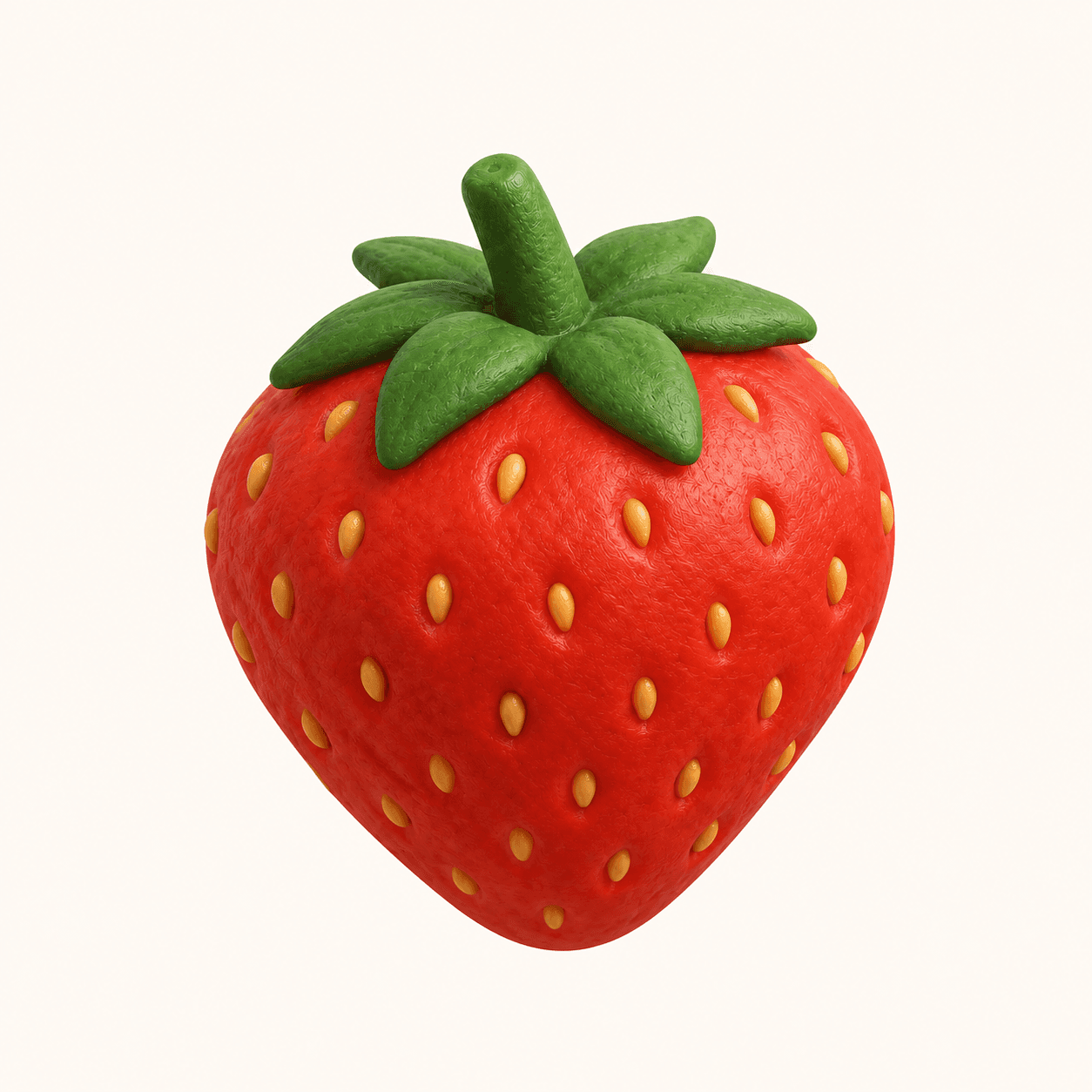
Strawberry
A low perennial that fruits for years once established. The first summer is about getting the plants settled; the real crop comes after that.
- Full sun
- 300 to 400 days
- 2 gal pot or bigger
- 12 to 18 in apart

 Full sun
 36 to 48 in apart
 Grows in a pot
 90 to 120 days
Sources
- Soil Testing (Clemson Cooperative Extension)
- Growing herbs in home gardens (University of Minnesota Extension)
- Growing Vegetables in Containers (University of Maryland Extension)
Crops in this guide
- Takes some care
Strawberry
A low perennial that fruits for years once established. The first summer is about getting the plants settled; the real crop comes after that.
- Full sun
- 300 to 400 days
- 2 gal pot or bigger
- 12 to 18 in apart
- Takes some care
Tomato
A warm season fruit that almost everyone treats as a vegetable, and the crop most people try first. It needs heat, steady water and something to lean on.
- Full sun
- 50 to 85 days
- 5 gal pot or bigger
- 24 to 36 in apart
- Takes some care
Carrot
A root crop that asks for little except loose, stone free ground and patience while it germinates.
- Full sun
- 70 to 80 days
- 2 to 4 in apart
- Easy
Lettuce
A fast, cool weather leaf crop that you can pick from for weeks. It is at its best in spring and autumn, and turns bitter in a hot, dry spell.
- Part sun
- 50 to 70 days
- 1 gal pot or bigger
- 5 to 12 in apart
- Easy
Basil
A tender summer herb that grows fast, hates cold nights, and gives more the more often you cut it.
- Full sun
- 50 to 75 days
- 2 gal pot or bigger
- 6 to 12 in apart