Raised Bed Guide
How to decide whether a raised bed helps, choose a reachable size, fill it, and keep it watered.
Build a raised bed when it solves a problem. A bed can help with packed, rocky, wet, weedy, or hard-to-reach ground. If your soil drains well and is easy to work, an in-ground bed may be simpler and cost less.
Choose the site first
Match the sunlight to the crops and keep water close. Fruiting crops often need six to eight hours of direct sun. A shadier bed may suit leafy crops better. Plan the paths and make sure extra water can drain before you fill the bed.
Make every part reachable
The right width is the width you can reach without stepping on the soil. A bed reached from one side should be narrower than one reached from both sides. Your height and mobility matter more than one standard measurement.
Treat the soil as a no-step area. Walking on it presses out the air and makes roots work harder.

Use soil with structure
A useful starting mix is mostly good topsoil with some plant-based compost. Compost is an ingredient, not the whole bed. A bed filled only with compost can dry quickly and build up too much salt or phosphorus.
On normal ground, roots and water usually benefit from an open connection to the soil below. On a patio or other hard surface, use a base that lets water drain. The bed height should solve your site's access or soil problem, not follow one universal number.
Space crops by their mature size
These raised-bed crops come from the published library. Each card shows the plant spacing saved in its crop guide. Do not crowd extra plants into a bed just because the soil looks empty at planting time.
- Takes some care
Bell Pepper
A sweet, warm-season pepper that can be picked green or left to ripen to its final color.
- Full sun
- 70 to 85 days
- 5 gal pot or bigger
- 18 in apart
- For a confident grower
Blueberry
A long-lived fruit shrub that needs much more acidic soil than most garden crops.
- Full sun
- 36 to 48 in apart
- Full sun
- 8 to 10 in apart
- Full sun
- 15 to 18 in apart
 Takes some care
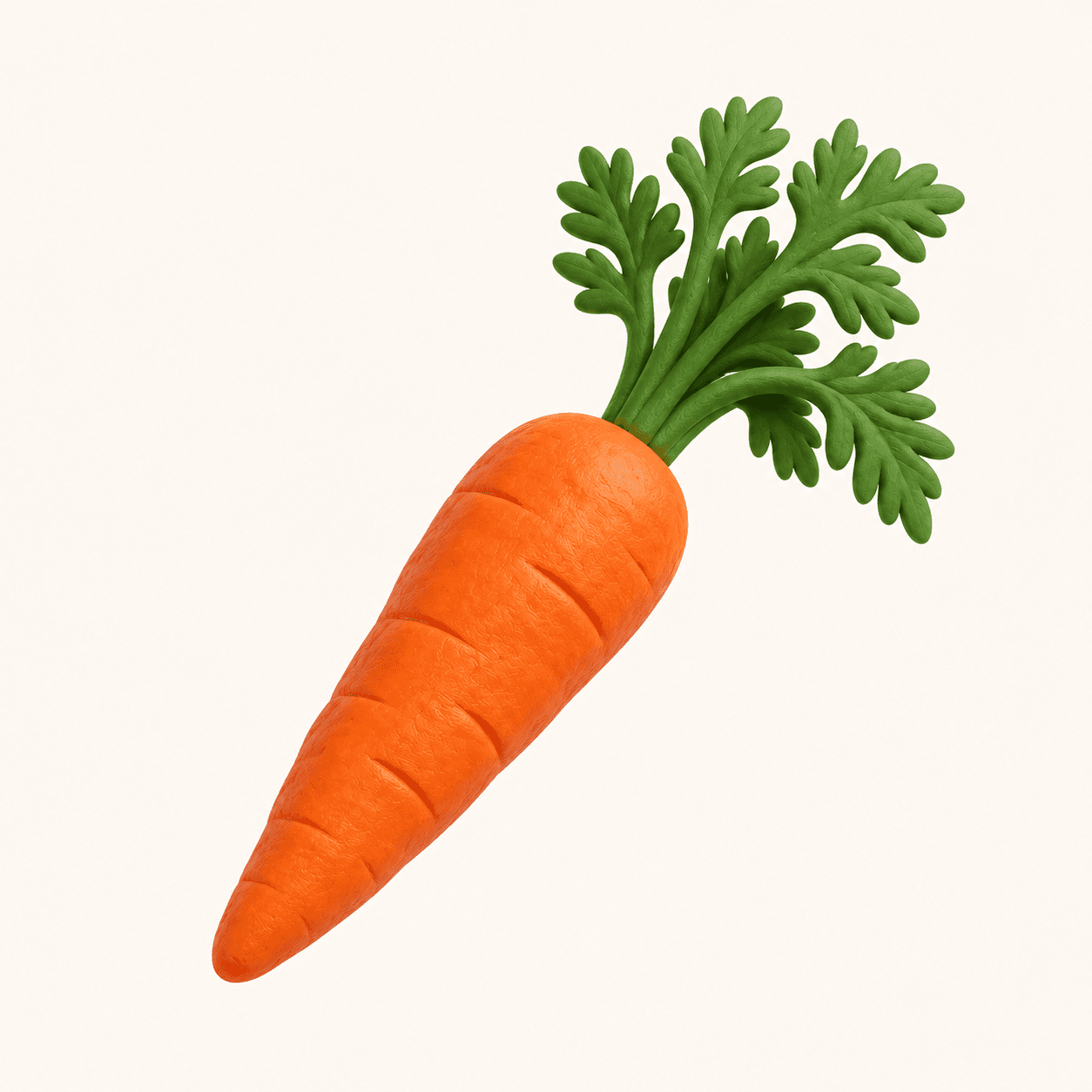
Carrot
A root crop that asks for little except loose, stone free ground and patience while it germinates.
- Full sun
- 70 to 80 days
- 2 to 4 in apart
- Takes some care
Chili Pepper
A warm-season pepper grown for pods that range from gently warm to very hot.
- Full sun
- 70 to 120 days
- 5 gal pot or bigger
- 12 to 24 in apart
- Full sun
- 45 to 80 days
- Grows in a pot
- 3 to 6 in apart
- Takes some care
Cucumber
A warm-season vine grown for crisp green fruit that is picked before it turns yellow.
- Full sun
- Grows in a pot
- 8 to 12 in apart
- Full sun
- 3 to 4 in apart
- Easy
Green Beans
A warm-season crop picked while the pods are crisp and the seeds inside are still small.
- Full sun
- 50 to 60 days
- Grows in a pot
- 3 to 4 in apart
- Easy
Green Onion
An onion grown for its mild green stalks and small white base instead of a dry storage bulb.
- Full sun
- Grows in a pot
- 2 to 4 in apart
- Full sun
- Grows in a pot
- 8 to 12 in apart

 Full sun
 70 to 85 days
 5 gal pot or bigger
 18 in apart
Expect the bed to dry sooner
Raised beds often dry faster than nearby ground, and taller beds may need more frequent watering. Check the soil instead of using a fixed schedule. Water near the soil, and use mulch when it helps slow evaporation and weeds.
Sources
- Raised bed gardens (University of Minnesota Extension)
- Raised Beds (Clemson Cooperative Extension)
Crops in this guide
- Easy
Lettuce
A fast, cool weather leaf crop that you can pick from for weeks. It is at its best in spring and autumn, and turns bitter in a hot, dry spell.
- Part sun
- 50 to 70 days
- 1 gal pot or bigger
- 5 to 12 in apart
- Takes some care
Carrot
A root crop that asks for little except loose, stone free ground and patience while it germinates.
- Full sun
- 70 to 80 days
- 2 to 4 in apart
- Takes some care
Strawberry
A low perennial that fruits for years once established. The first summer is about getting the plants settled; the real crop comes after that.
- Full sun
- 300 to 400 days
- 2 gal pot or bigger
- 12 to 18 in apart
- Takes some care
Tomato
A warm season fruit that almost everyone treats as a vegetable, and the crop most people try first. It needs heat, steady water and something to lean on.
- Full sun
- 50 to 85 days
- 5 gal pot or bigger
- 24 to 36 in apart
- Easy
Basil
A tender summer herb that grows fast, hates cold nights, and gives more the more often you cut it.
- Full sun
- 50 to 75 days
- 2 gal pot or bigger
- 6 to 12 in apart