
How to Grow Cucumbers
Cucumis sativus
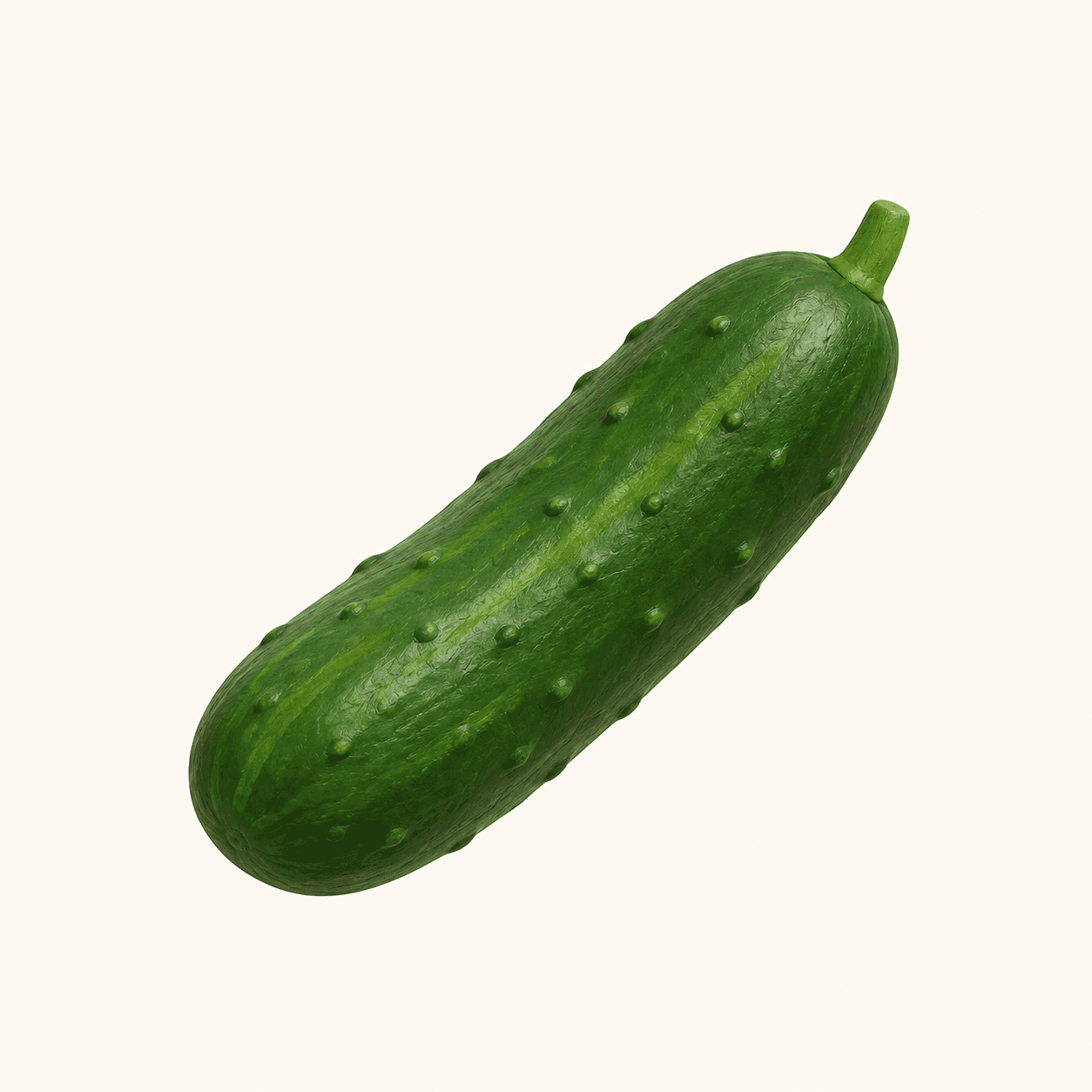
A warm-season vine grown for crisp green fruit that is picked before it turns yellow.
By David Choi · Updated · How we source and review advice
Already growing? Get care helpAt a glance
Difficulty
Takes some care
3 of 5 · More shovels, more care
Sunlight
Full sun
6 hours a day
Water
Thirsty
First harvest
50 to 70 days
from sowing
Growing in a pot
Suitable for pots
Plant spacing
8 to 12 in apart


More about this plant
Wait for warm soil, keep the roots evenly moist and pick often. A trellis saves space and keeps long-vining cucumbers easier to find.
- Grows for one season.
- Can grow in raised beds, the open ground.
- Fine in a small space.
- A good one to grow together with children.
- Ready to pick quickly.
Make it your plan
Add your location for local planting datesAdd place
A U.S. ZIP uses official NOAA frost records. Other countries use weather-station records, or a climate reconstruction where stations are missing. Coordinates are used once and not stored. We save only a place label and climate summary in a private browser cookie. You can clear it anytime.
Your plan, starting Nov 10, 2026
Add your location to compare this date with local planting windows. Your chosen date stays the same.
Estimated first harvest
Dec 30, 2026 – Jan 19, 2027
Counted from sowing. Variety, plant age, weather, and care can change this estimate.
Pick green fruit at the size you like, before it becomes oversized, yellow, seedy or bitter.
Warm weather and soil at least 70F at planting time. Cucumber plants cannot survive a freeze, and cold soil slows sprouting and growth.
First, gather a few things
- Cucumber seeds
- A draining pot with room for the roots
- Potting mix that drains well
- A watering can or hose
- Train long vines onto a trellis about three to four feet high. Bush varieties can grow without one.

Get ready
Do these before you put the plant or seeds in place.
Start here
1. Wait for warm soil
Sow after frost danger when the soil one inch deep is at least 70F.
Start or plant it
Follow the steps for the way you chose to start.
1. Plant shallow seeds
Sow about half an inch deep. Thin seedlings to about 8 to 12 inches apart.
2. Add a trellis
Train long vines onto a three- to four-foot support. Bush types can stay on the ground.

Water
Check the soil first. Heat, rain, and pots can change how often this plant needs water.
1. Check before you water
Feel the top inch of soil. Water when it starts to dry, before the roots dry out.
2. Water the roots
Water slowly at the base until the soil feels moist a few inches down. For a pot, water until a little runs out of the drainage holes.
Aim for about one inch of rain or irrigation each week. Soak the soil well, check sandy soil and trellised plants more often, and keep the leaves dry when you can.
Need help judging moisture? Read how to check the soil and water the roots.
If the plant looks unhappy
Too dry
Fruit may turn bitter, and leaves can wilt or look dull.
If the soil is dry, water deeply and check it again tomorrow.
Too wet
Soil that stays soggy can weaken roots and invite disease.
If the soil is wet, wait before watering again and check that excess water can drain away.
 Too dry
 Too wet
While it grows
Check on your plant and do these jobs as they come up.
1. Open flowers to bees
Remove ordinary row covers when flowering begins so pollinators can reach the blooms.
Looking after it
- FeedingAn occasional feed helpsBegin with finished compost and follow a soil test. Avoid pushing soft leafy growth with too much nitrogen.
- SupportA trellisTrain long vines onto a trellis about three to four feet high. Bush varieties can grow without one.
- ThinningThin seedlings to 10 in apartCrowded seedlings stay small. Pull the weaker ones and keep the strongest.
- MulchMulch after the soil warms to hold moisture and keep fruit cleaner.
- PollinationBees carry pollen between flowers. Cool, wet or cloudy weather can slow fruit set, so uncover flowering plants unless the variety is seedless.


Pick and store it
Use the plant's signs of readiness, then harvest gently.
1. Check if it is ready
Pick green fruit at the size you like, before it becomes oversized, yellow, seedy or bitter.
2. Pick it
Cut the stem with clean clippers. Pick often and avoid tugging or stepping on vines that may have rooted along the ground.
3. Keep it fresh
For best quality, keep cucumbers in a cool, humid place in a perforated bag and use them soon.
More picking tips
1. Pick green fruit often
Clip fruit before it grows yellow or seedy. Regular picking helps the plant keep producing.

Common problems
Common mistakes
Sowing into cold soil
Cold ground slows sprouting and can rot seed. Wait for warm soil after frost danger.
Letting plants dry out
Cucumbers need steady water. Dry stress can reduce growth and make fruit bitter.
Leaving row cover on flowers
Most varieties need bees. Open the cover at flowering so pollen can move between blooms.
Companion plants for cucumbers
 Companion plants for cucumbers
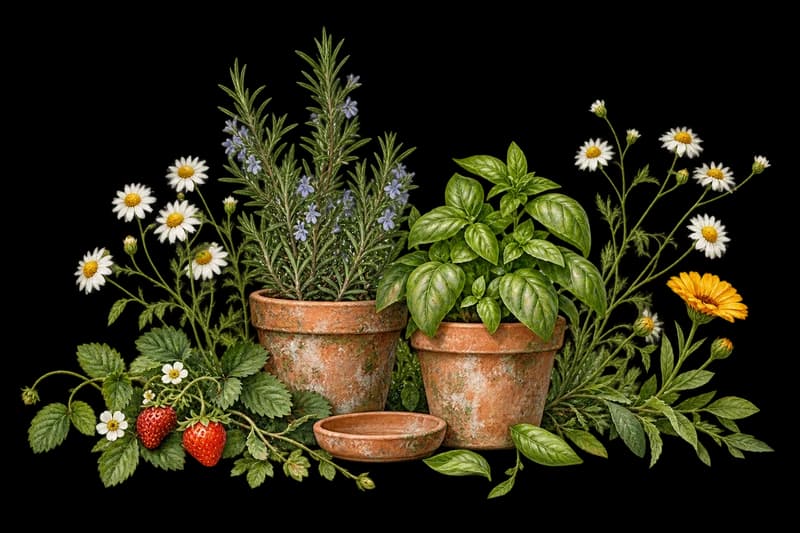
Some of this is measured in trials and some is long-standing garden practice. Each note below says which it is.
Good together
Trials show a real benefit:
- Blue Hubbard squash (trap crop border)In farm trials, a Blue Hubbard squash border drew cucumber beetles off the cucumbers, cutting leaf damage and spraying; the border itself was sprayed.Measured in trials
- Pollinator flowers (cosmos, borage, basil)In a Texas A&M field study, flowers that attract pollinators, planted with cucumbers, raised yields in some plantings but not all.Measured in trials
- Corn and broccoli (mixed planting)A field study found 10 to 30 times fewer cucumber beetles where cucumbers grew mixed with corn and broccoli, though cucumbers grew less.Measured in trials
Questions about cucumbers
 Questions about cucumbers
Tap a question to see the answer.
Will cucumbers grow where I live?
Warm weather and soil at least 70F at planting time. Cucumber plants cannot survive a freeze, and cold soil slows sprouting and growth.
- LightFull sunAbout 6 hours of direct sun a day.
- ShadeNeeds full light
- SeasonA warm season cropUsually grown in spring or summer.
- FrostFrost kills it
- HeatLoves heat


What soil is best for cucumbers?
- Soil pH6.0 to 6.5A cheap test kit from a garden centre will tell you yours.
- Soil it likesLoam
- DrainageWants well drained ground
- RichnessWants rich ground
Use rich soil that holds moisture but still drains. Work in finished compost or well-rotted manure before planting.
Do not use fresh manure. A soil test can show whether the bed needs anything beyond finished compost.
Before changing your soil, learn how to test soil acidity and understand the result.
When and how deep do I plant cucumbers?
When to plant
Match these relative steps to your local seasons. Where frost applies, use the last freezing night in spring and the first in fall. In frost-free climates, follow trusted local seasonal guidance.
- Start indoors 3 to 4 weeks before your last spring frostStart no earlier than four weeks before the last frost because cucumber roots dislike being disturbed.
- Sow outdoors 1 to 3 weeks after your last spring frostSow after frost danger has passed and soil one inch deep is at least 70F.
- Plant out 1 to 3 weeks after your last spring frostPlant out after frost danger in warm soil, handling the roots gently.
- Ready to pick about 50 to 70 days from sowing.
What you need
- How to start itFrom seed or a young plantYou can sow it straight into the ground, or start it indoors first.
- How deep to plant0.5 in
Planting depth: 0.5 in below the soil surface. Drawing is not to scale. - How far apart8 to 12 inLeave 36 to 72 in between rows.
Leave 8 to 12 in between plants and 36 to 72 in between rows. View from above; drawing is not to scale.
What happens to cucumbers through the year?
Measured from your last spring frost, because seasons differ from garden to garden. In frost-free climates, use trusted local seasonal guidance alongside these relative steps.
Start seeds indoors
3 to 4 weeks before your last spring frost
Sow outdoors
1 to 3 weeks after your last spring frost
Plant out
1 to 3 weeks after your last spring frost

How do I give cucumbers a better start?
Simple ways to help your cucumber grow, from the soil up.
Start with good soil
Use rich soil that holds moisture but still drains. Work in finished compost or well-rotted manure before planting.
Give the soil a cover
Mulch after the soil warms to hold moisture and keep fruit cleaner.
Support the branches
Train long vines onto a trellis about three to four feet high. Bush varieties can grow without one.
Make room to grow
Thin seedlings to 10 inches apart.
 Start with good soil
 Give the soil a cover
 Support the branches
 Make room to grow
Do not use fresh manure. A soil test can show whether the bed needs anything beyond finished compost.
Why is my cucumber bitter?
Dry soil, low fertility or unusual heat can lead to bitter fruit. Keep moisture steady and pick before fruit becomes old and yellow.
Why is the fruit bent or misshapen?
Poor pollination is a common cause. Cool, wet weather and too few bees can leave fruit partly formed.
Do cucumbers need a trellis?
Long-vining types benefit from one, but bush types can grow without it. A trellis saves space and can make straighter fruit.
Can I start cucumbers indoors?
Yes, but start no more than about four weeks before the last frost and move the roots very gently.
Quick answers about cucumber
 Quick answers about cucumber
One question each, answered first, with the source named.
- Companion Planting for Cucumbers
Companion planting for cucumbers: a squash border, pollinator flowers, and corn with broccoli have field trials behind them. Each has a trade-off.
Helpful gardening guides
 Helpful gardening guides
Dig into the next thing you need, from starting a garden to getting watering right.
Frost Dates: How to Find Your First and Last Frost Date
Frost dates explained: what last spring and first fall frost dates mean, why they are uncertain, and how to use them safely.
What Size Container for Vegetables? Pot Size Guide
What size container for vegetables and herbs: how to choose a pot with enough root room, drainage, stability, and water for the crop you want to grow.
How to Start Seeds Indoors: Seed Starting Guide
How to start seeds indoors with a simple routine, from choosing crops to moving sturdy seedlings outside.
Starting your first garden? Choose your space and get it ready, then plan local planting times.
Browse all gardening guidesAlso filed under: Vegetables
Where this came from
Advice varies with your climate and variety. Check the sources behind each section.
Sources & review dates
- Light and weather
- North Carolina State University Extension, Cucumis sativus · checked 2026-09-15
- University of Minnesota Extension, Growing cucumbers in home gardens · checked 2026-09-15
- Planting
- University of Minnesota Extension, Growing cucumbers in home gardens · checked 2026-09-15
- Timing
- University of Minnesota Extension, Growing cucumbers in home gardens · checked 2026-09-15
- Clemson Cooperative Extension Home & Garden Information Center, Cucumber · checked 2026-09-21 · Days to maturity: cucumbers should be ready for harvest in about 50 to 70 days, depending on cultivar. The page does not name a starting point; cucumbers are normally direct sown, so this counts from sowing.
- University of Minnesota Extension, Growing peppers · checked 2026-09-24 · Where frost is rare, warm-season crops are timed to months whose nights usually stay above 50°F.
- UC Master Gardeners of Placer County, University of California Agriculture and Natural Resources, Tomato blossom drop · checked 2026-09-24 · Where frost is rare, warm-season crops avoid months whose nights usually stay above 75°F.
- University of California Agriculture and Natural Resources, UC Master Gardener Program, Time of planting · checked 2026-09-24 · Where frost is rare, warm-season crops are timed to months with days between 65°F and 95°F.
- Soil
- University of Minnesota Extension, Growing cucumbers in home gardens · checked 2026-09-15
- Water
- University of Minnesota Extension, Growing cucumbers in home gardens · checked 2026-09-15
- Looking after it
- University of Minnesota Extension, Growing cucumbers in home gardens · checked 2026-09-15
- Harvest
- University of Minnesota Extension, Growing cucumbers in home gardens · checked 2026-09-15
- Step by step
- University of Minnesota Extension, Growing cucumbers in home gardens · checked 2026-09-15
- Questions people ask
- University of Minnesota Extension, Growing cucumbers in home gardens · checked 2026-09-15
- Companion plants
- Northeast SARE (University of Massachusetts project), Perimeter trap crop approach to pest management on vegetable farms · checked 2026-10-28
- Texas A&M AgriLife, Benefits of pollinator-attracting companion plants · checked 2026-10-28
- Ecology (Catherine E. Bach study), Effects of Plant Density and Diversity on the Population Dynamics of a Specialist Herbivore, the Striped Cucumber Beetle, Acalymma vittata (Fab) · checked 2026-10-28