Planting Calendar
How to read planting and harvest windows around your local frost dates before using a personalized calendar.
A useful planting calendar is local. It starts with your usual last spring frost and first fall frost, then places each crop around those dates. A calendar from another state is an example, not an instruction for your garden.
Read a crop timeline in three parts
- Start indoors, when the crop benefits from an early start.
- Sow or plant outside, when the crop and local conditions are ready.
- Begin harvesting, using maturity days as an estimate.
Cool-season crops use the edges
Many leafy greens and root crops can grow during cooler parts of spring and fall. Some can appear twice on a calendar, once near each edge of the frost-free season. Use the crop's own frost tolerance because cool-season is a helpful group, not one rule for every plant.
Warm-season crops need warm conditions
Tender crops such as tomatoes, basil, peppers, cucumbers, and squash usually belong after spring frost danger and after the soil has warmed. Planting too early can slow growth even when the calendar says spring has begun.
Soil temperature can matter more than the date
Some direct-sown warm-season seeds germinate poorly in cool, wet soil. Check the crop guide for its soil-temperature needs instead of using one temperature for every seed.
Read maturity days carefully
Days to maturity may begin at sowing or at transplanting. The number is an estimate. Variety, light, weather, soil, pests, and care can move the real harvest earlier or later.
Plan backward for fall
To plan a fall crop, count backward from the expected frost date using its maturity estimate, then leave extra time for harvest and slower cool-weather growth. Do not treat the last possible date as a safe promise.
Spread out quick harvests
Some quick crops can be sown again in small amounts. This can spread the harvest instead of producing one large batch. The right gap depends on the crop and local season, so use its guide rather than one universal interval.
Explore the crop timelines
- Full sun
- 25 to 35 days
- Grows in a pot
- 2 to 4 in apart
- Easy
Green Beans
A warm-season crop picked while the pods are crisp and the seeds inside are still small.
- Full sun
- 50 to 60 days
- Grows in a pot
- 3 to 4 in apart
- Full sun
- 50 to 65 days
- 24 to 36 in apart
 Easy
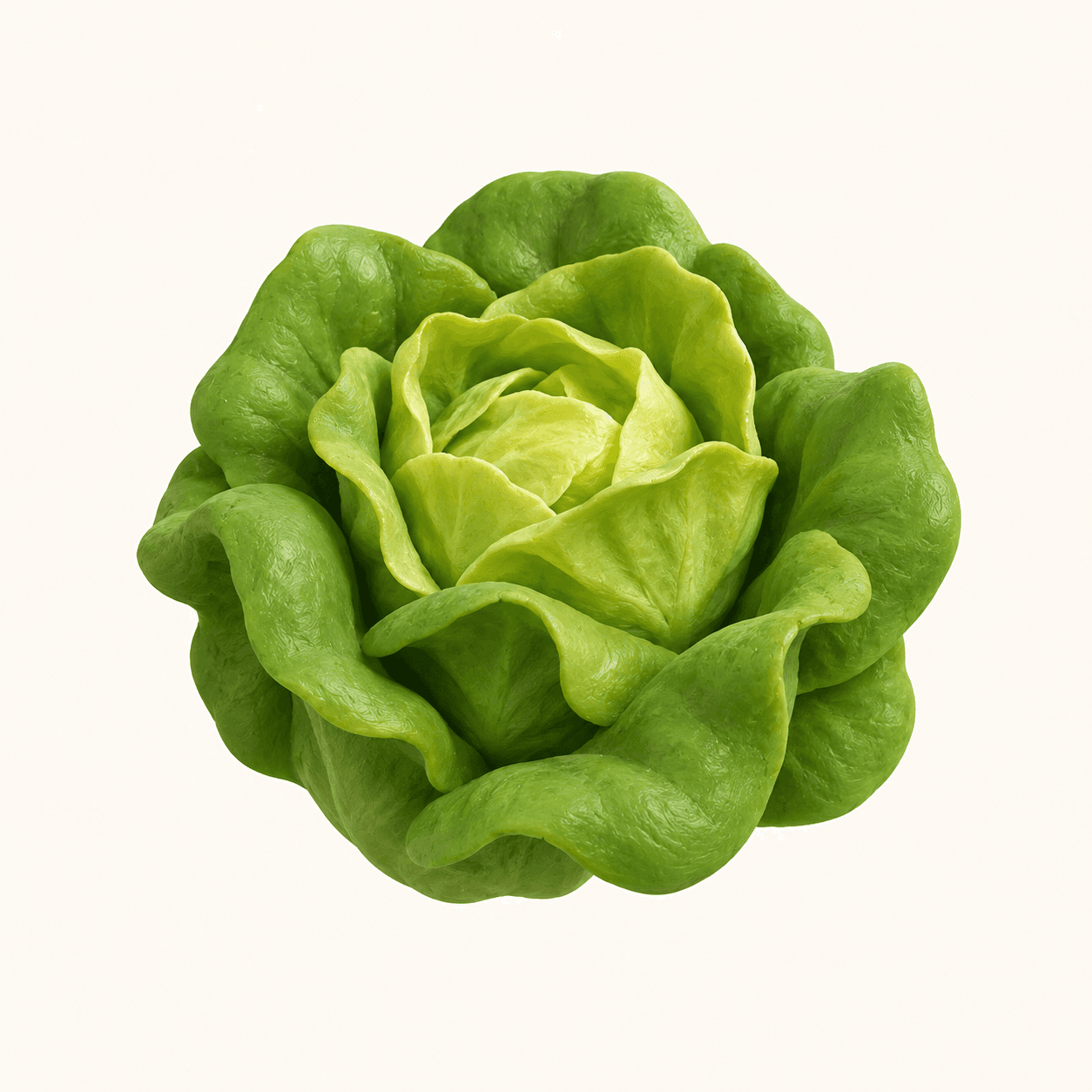
EasyLettuce
A fast, cool weather leaf crop that you can pick from for weeks. It is at its best in spring and autumn, and turns bitter in a hot, dry spell.
- Part sun
- 50 to 70 days
- 1 gal pot or bigger
- 5 to 12 in apart
- Full sun
- 55 to 70 days
- Grows in a pot
- 1 to 3 in apart
 Easy
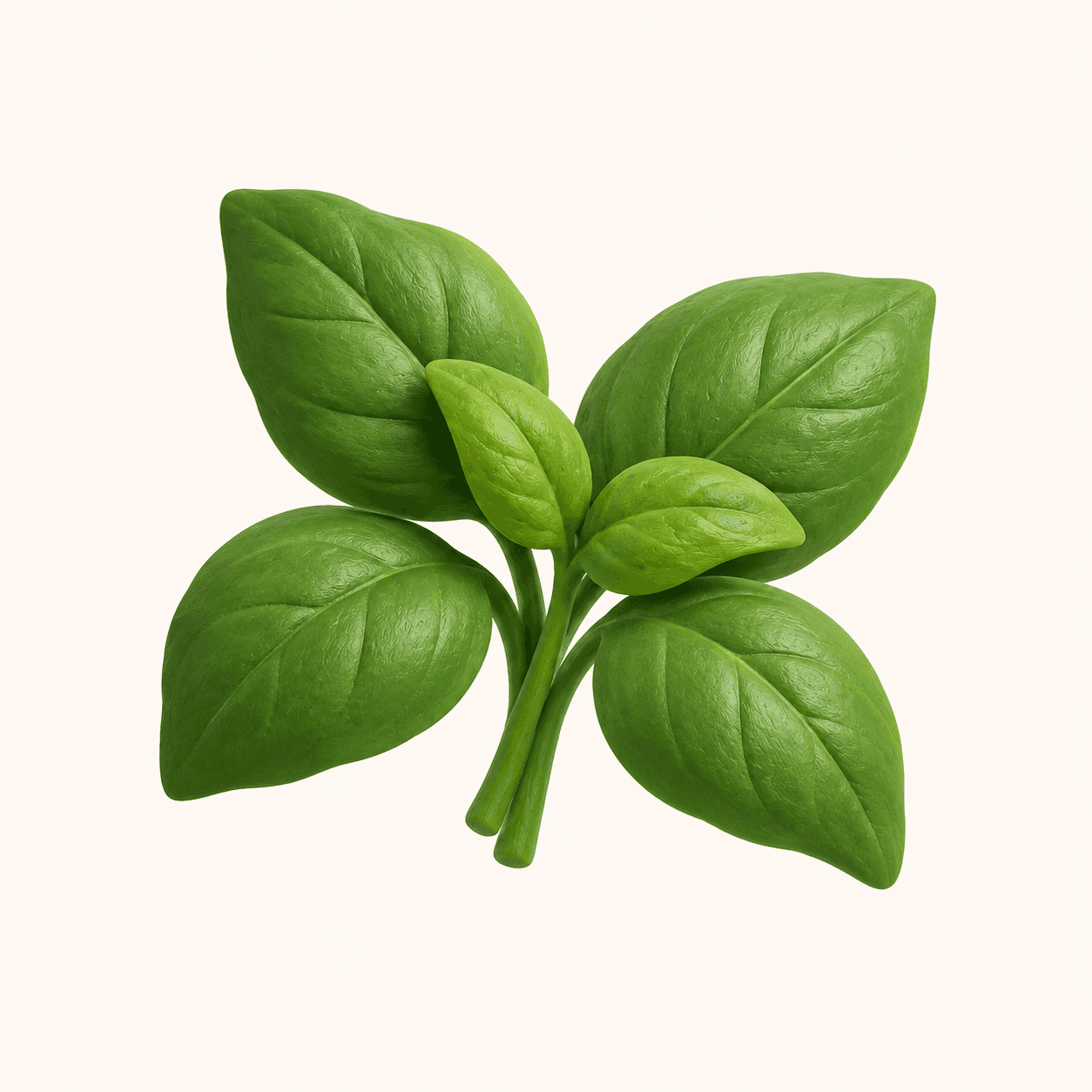
EasyBasil
A tender summer herb that grows fast, hates cold nights, and gives more the more often you cut it.
- Full sun
- 50 to 75 days
- 2 gal pot or bigger
- 6 to 12 in apart

 Full sun
 25 to 35 days
 Grows in a pot
 2 to 4 in apart
Add your location on Eating Garden to turn these relative crop windows into an optional month-by-month calendar where local climate evidence is available.

Sources
- When to Plant Vegetables (University of Maryland Extension)
- Vegetable Garden Calendar (University of Georgia Cooperative Extension)
Crops in this guide
- Easy
Lettuce
A fast, cool weather leaf crop that you can pick from for weeks. It is at its best in spring and autumn, and turns bitter in a hot, dry spell.
- Part sun
- 50 to 70 days
- 1 gal pot or bigger
- 5 to 12 in apart
- Takes some care
Carrot
A root crop that asks for little except loose, stone free ground and patience while it germinates.
- Full sun
- 70 to 80 days
- 2 to 4 in apart
- Easy
Basil
A tender summer herb that grows fast, hates cold nights, and gives more the more often you cut it.
- Full sun
- 50 to 75 days
- 2 gal pot or bigger
- 6 to 12 in apart
- Takes some care
Tomato
A warm season fruit that almost everyone treats as a vegetable, and the crop most people try first. It needs heat, steady water and something to lean on.
- Full sun
- 50 to 85 days
- 5 gal pot or bigger
- 24 to 36 in apart
- Takes some care
Strawberry
A low perennial that fruits for years once established. The first summer is about getting the plants settled; the real crop comes after that.
- Full sun
- 300 to 400 days
- 2 gal pot or bigger
- 12 to 18 in apart