How to Grow Your Own Food
A realistic way to turn the space and time you have into useful harvests across the season.
This guide is about planning useful harvests. It helps you choose what to grow, how much to start with, and how to spread the work and food across the season.

Start with food you already use
Write down a few herbs, vegetables, or fruits you buy often. Then compare that list with your sunlight, season, space, and time. Growing one useful ingredient well is a better start than planting many foods you rarely eat.
Plan for the space you can reach
Sketch the bed or count your containers before buying seeds. Leave room to walk, water, and harvest. Use the mature spacing on each crop page. A packet can hold far more seed than a small garden needs.
Containers can turn a balcony, patio, driveway, or doorstep into growing space. Compact, bush, or dwarf varieties are often easier in pots. Put large containers in place before filling them because wet potting mix becomes heavy.
- Full sun
- 25 to 35 days
- Grows in a pot
- 2 to 4 in apart
- Easy
Green Beans
A warm-season crop picked while the pods are crisp and the seeds inside are still small.
- Full sun
- 50 to 60 days
- Grows in a pot
- 3 to 4 in apart
 Easy
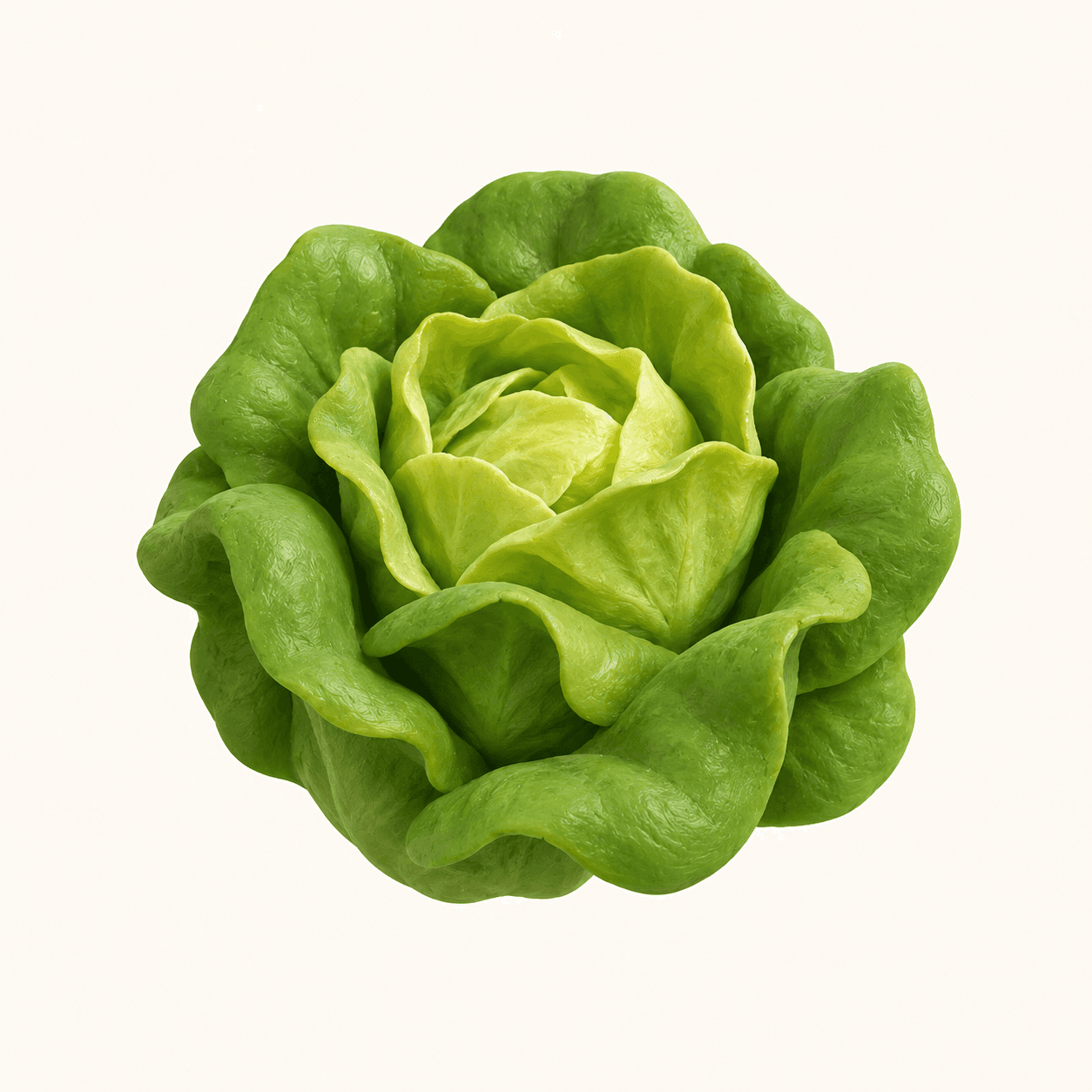
EasyLettuce
A fast, cool weather leaf crop that you can pick from for weeks. It is at its best in spring and autumn, and turns bitter in a hot, dry spell.
- Part sun
- 50 to 70 days
- 1 gal pot or bigger
- 5 to 12 in apart
- Full sun
- 55 to 70 days
- Grows in a pot
- 1 to 3 in apart
 Easy
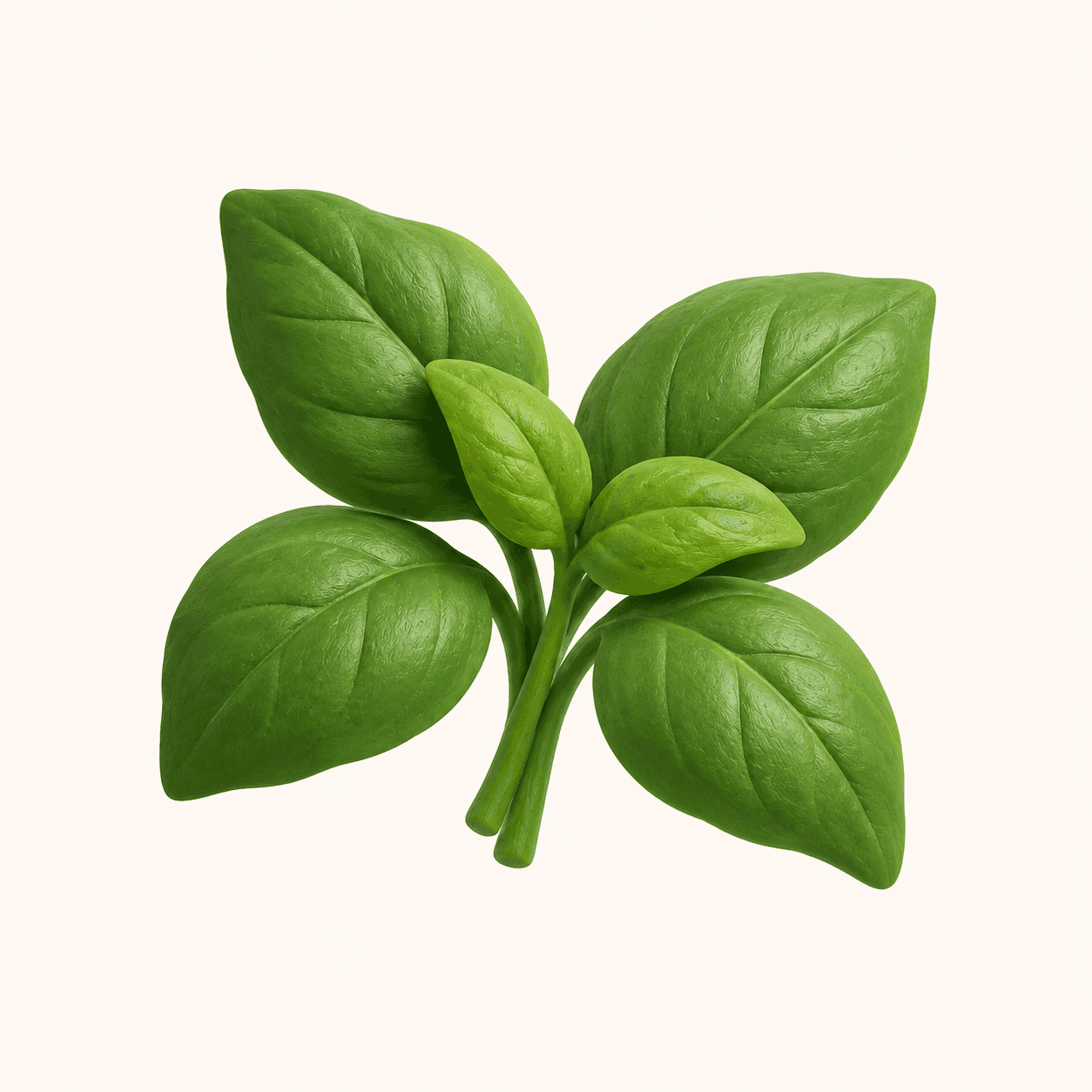
EasyBasil
A tender summer herb that grows fast, hates cold nights, and gives more the more often you cut it.
- Full sun
- 50 to 75 days
- 2 gal pot or bigger
- 6 to 12 in apart
- Full sun
- 45 to 80 days
- Grows in a pot
- 3 to 6 in apart

 Full sun
 25 to 35 days
 Grows in a pot
 2 to 4 in apart
Mix shorter and longer waits
Choose at least one crop with a shorter path to harvest. Add a longer crop if you have room and want food later in the season. Maturity days are planning estimates, not promises. Weather, variety, and care change the actual date.
- Full sun
- 25 to 35 days
- Grows in a pot
- 2 to 4 in apart
- Easy
Green Beans
A warm-season crop picked while the pods are crisp and the seeds inside are still small.
- Full sun
- 50 to 60 days
- Grows in a pot
- 3 to 4 in apart
- Full sun
- 50 to 65 days
- 24 to 36 in apart
- Easy
Lettuce
A fast, cool weather leaf crop that you can pick from for weeks. It is at its best in spring and autumn, and turns bitter in a hot, dry spell.
- Part sun
- 50 to 70 days
- 1 gal pot or bigger
- 5 to 12 in apart
- Full sun
- 55 to 70 days
- Grows in a pot
- 1 to 3 in apart
Spread out some plantings
Some quick crops can be planted again after the first small sowing. This can spread the harvest instead of giving you more food than you can use at once. The right gap depends on the crop and local season, so check the crop page before sowing again.
Do not use one succession schedule for every crop. A regional calendar or crop guide should set the timing.
Plan for harvest days too
A productive garden needs picking as well as watering. Check fast-producing plants often and harvest usable food promptly. If you will be away, ask someone to water and pick or keep that planting smaller.
A realistic first mix
- One herb you use often.
- One leafy crop for an earlier harvest.
- One crop that can produce over a longer period.
- One new food you are curious to try, if space allows.
This is a planning idea, not a rule. Leave out any group that does not fit your climate, space, or meals.
Learn how much is enough
There is no useful universal number of plants per person. Keep a note of what you planted, when it was ready, and whether your household used it. Next season, grow more of the foods that ran out and less of the foods that piled up.
Sources
- Growing Vegetables in Containers (University of Maryland Extension)
- Vegetable Garden Calendar (University of Georgia Cooperative Extension)
- Growing Potatoes in a Home Garden (University of Maryland Extension)
Crops in this guide
- Easy
Lettuce
A fast, cool weather leaf crop that you can pick from for weeks. It is at its best in spring and autumn, and turns bitter in a hot, dry spell.
- Part sun
- 50 to 70 days
- 1 gal pot or bigger
- 5 to 12 in apart
- Easy
Basil
A tender summer herb that grows fast, hates cold nights, and gives more the more often you cut it.
- Full sun
- 50 to 75 days
- 2 gal pot or bigger
- 6 to 12 in apart
- Takes some care
Carrot
A root crop that asks for little except loose, stone free ground and patience while it germinates.
- Full sun
- 70 to 80 days
- 2 to 4 in apart
- Takes some care
Tomato
A warm season fruit that almost everyone treats as a vegetable, and the crop most people try first. It needs heat, steady water and something to lean on.
- Full sun
- 50 to 85 days
- 5 gal pot or bigger
- 24 to 36 in apart
- Takes some care
Strawberry
A low perennial that fruits for years once established. The first summer is about getting the plants settled; the real crop comes after that.
- Full sun
- 300 to 400 days
- 2 gal pot or bigger
- 12 to 18 in apart