Vegetable Gardening for Beginners
A calm first-year plan with easy crops, quicker harvests, and good choices for containers.
Your first vegetable garden is an experiment, not a test. Grow a few foods you like, learn how your space behaves, and keep the daily work small. A simple garden that gets regular care can teach you more than a large garden that feels tiring.
A simple first-year plan
- Choose a sunny place near water.
- Start with one small bed or a few large containers.
- Pick a few crops that fit your season and space.
- Plant only what you can check several times each week.
- Keep short notes on what worked and what you want to change.
Start with easier crops
An easier crop gives a new gardener more room to learn. It should not need unusual equipment or perfect timing to produce something useful. These suggestions come from the current crop library, so the list will grow as more finished guides are added.
 Easy
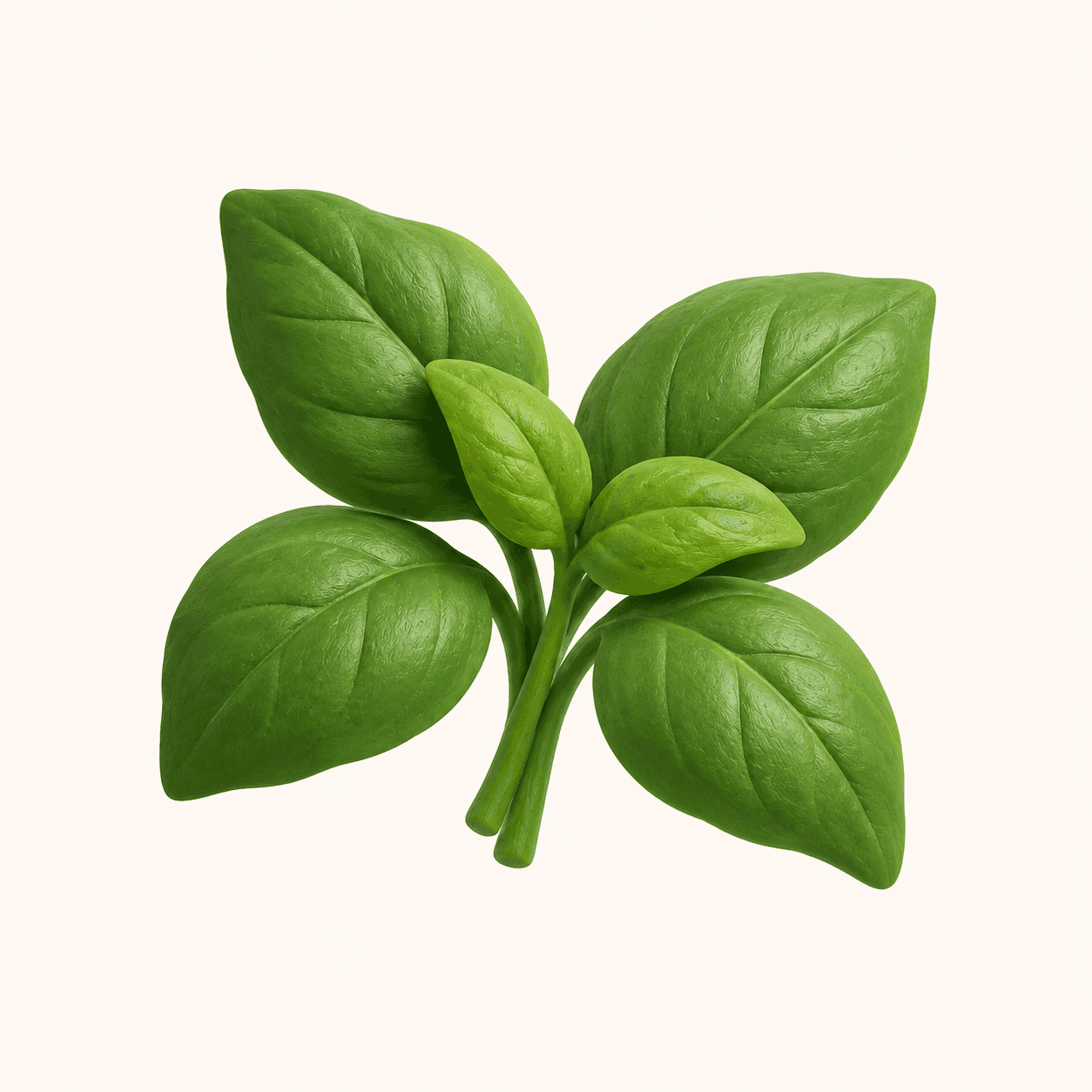
EasyBasil
A tender summer herb that grows fast, hates cold nights, and gives more the more often you cut it.
- Full sun
- 50 to 75 days
- 2 gal pot or bigger
- 6 to 12 in apart
- Full sun
- 45 to 80 days
- Grows in a pot
- 3 to 6 in apart
- Full sun
- 3 to 4 in apart
- Easy
Green Beans
A warm-season crop picked while the pods are crisp and the seeds inside are still small.
- Full sun
- 50 to 60 days
- Grows in a pot
- 3 to 4 in apart
- Easy
Green Onion
An onion grown for its mild green stalks and small white base instead of a dry storage bulb.
- Full sun
- Grows in a pot
- 2 to 4 in apart
- Full sun
- Grows in a pot
- 8 to 12 in apart
 Full sun
 50 to 75 days
 2 gal pot or bigger
 6 to 12 in apart
Choose one quicker harvest
A crop with a shorter wait can give you an early win while slower plants are still growing. Harvest time is a useful estimate, not a promise. Weather, variety, and care can all change it.
- Full sun
- 25 to 35 days
- Grows in a pot
- 2 to 4 in apart
- Easy
Green Beans
A warm-season crop picked while the pods are crisp and the seeds inside are still small.
- Full sun
- 50 to 60 days
- Grows in a pot
- 3 to 4 in apart
- Full sun
- 50 to 65 days
- 24 to 36 in apart
 Easy
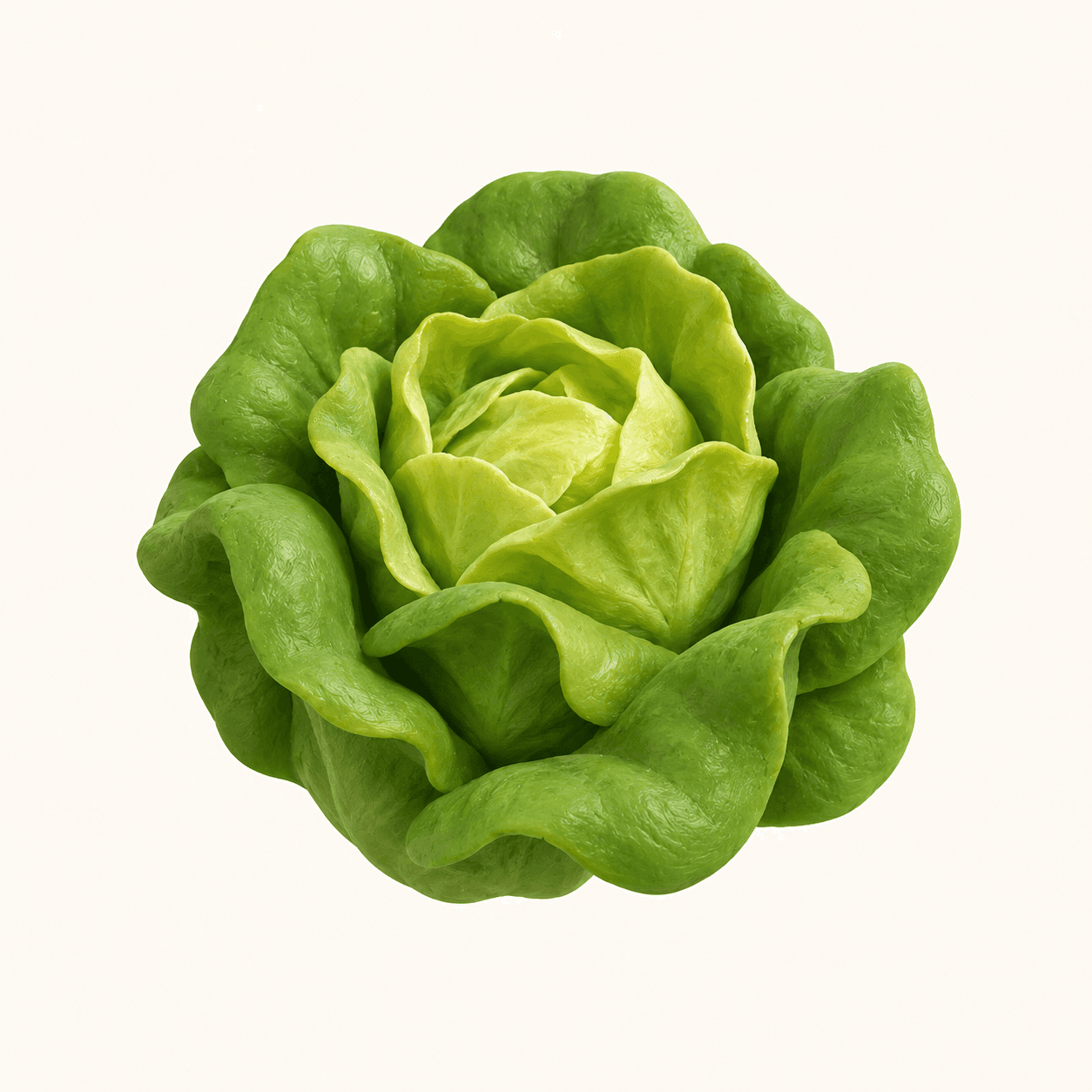
EasyLettuce
A fast, cool weather leaf crop that you can pick from for weeks. It is at its best in spring and autumn, and turns bitter in a hot, dry spell.
- Part sun
- 50 to 70 days
- 1 gal pot or bigger
- 5 to 12 in apart
- Full sun
- 55 to 70 days
- Grows in a pot
- 1 to 3 in apart
Good choices for pots
Containers work well when you have a patio, balcony, driveway, or small sunny corner. Pick a pot with enough room for the mature roots and a way for extra water to drain. Pots may need frequent water checks in hot or windy weather.
- Full sun
- 25 to 35 days
- Grows in a pot
- 2 to 4 in apart
- Easy
Green Beans
A warm-season crop picked while the pods are crisp and the seeds inside are still small.
- Full sun
- 50 to 60 days
- Grows in a pot
- 3 to 4 in apart
- Easy
Lettuce
A fast, cool weather leaf crop that you can pick from for weeks. It is at its best in spring and autumn, and turns bitter in a hot, dry spell.
- Part sun
- 50 to 70 days
- 1 gal pot or bigger
- 5 to 12 in apart
- Full sun
- 55 to 70 days
- Grows in a pot
- 1 to 3 in apart
- Easy
Basil
A tender summer herb that grows fast, hates cold nights, and gives more the more often you cut it.
- Full sun
- 50 to 75 days
- 2 gal pot or bigger
- 6 to 12 in apart
- Full sun
- 45 to 80 days
- Grows in a pot
- 3 to 6 in apart
Do not plant everything at once
Different vegetables prefer different weather. Cool-season crops can grow when the air and soil are cooler. Warm-season crops usually need warm soil and protection from frost. Check each crop page and your local conditions before planting.
If you have many seed packets, choose a few for now. Save the rest for another planting window instead of turning one weekend into too much work.

The care that matters most
- Check the soil often and water deeply when it starts to dry.
- Pull weeds while they are small.
- Look under leaves for damage or insects.
- Thin crowded seedlings so the remaining plants have room.
- Harvest food when it is ready, even if it looks smaller than store produce.
Mistakes are useful clues
A wilted plant, a missed harvest, or a crop that never takes off does not mean you are bad at gardening. Check one likely cause at a time: light, water, weather, soil, or space. Then make one change and watch what happens.
Do not add more water or fertilizer just because a plant looks unhappy. Too much can cause trouble too. Read the crop page and check the soil first.
What success looks like in year one
Success is learning which spots get enough sun, how fast your soil dries, and which foods you enjoy growing. Any harvest is a bonus. Use what you learn to make next season easier.
Sources
- Planting the vegetable garden (University of Minnesota Extension)
- Growing Vegetables in Containers (University of Maryland Extension)
- Raised Beds (Clemson Cooperative Extension)
Crops in this guide
- Easy
Lettuce
A fast, cool weather leaf crop that you can pick from for weeks. It is at its best in spring and autumn, and turns bitter in a hot, dry spell.
- Part sun
- 50 to 70 days
- 1 gal pot or bigger
- 5 to 12 in apart
- Easy
Basil
A tender summer herb that grows fast, hates cold nights, and gives more the more often you cut it.
- Full sun
- 50 to 75 days
- 2 gal pot or bigger
- 6 to 12 in apart
- Takes some care
Carrot
A root crop that asks for little except loose, stone free ground and patience while it germinates.
- Full sun
- 70 to 80 days
- 2 to 4 in apart
- Takes some care
Tomato
A warm season fruit that almost everyone treats as a vegetable, and the crop most people try first. It needs heat, steady water and something to lean on.
- Full sun
- 50 to 85 days
- 5 gal pot or bigger
- 24 to 36 in apart
- Takes some care
Strawberry
A low perennial that fruits for years once established. The first summer is about getting the plants settled; the real crop comes after that.
- Full sun
- 300 to 400 days
- 2 gal pot or bigger
- 12 to 18 in apart