How to Grow Plants
The basic needs food plants share and a simple way to find what an unhappy plant may be missing.
This guide explains what helps a plant grow and how to check likely causes when growth goes wrong. Use each crop page for the plant's exact needs.

Plants need the right light
Light gives a plant energy to grow. Fruiting plants often need more direct sun than leafy crops. Watch the space before planting and match the crop to the light you have. A pale or stretched plant may need more light, but leaf color alone does not prove the cause.
Roots need both water and air
Roots take up water, but they also need air. Soil or potting mix should hold some moisture and let extra water drain. Check the soil before watering. Dry soil and wet soil can both lead to wilt, so the soil gives you a better clue than the leaves alone.
Roots need room
A plant crowded into a small pot or tight spacing may struggle to reach water, light, and nutrients. Choose a container and spacing for the mature plant, not the seedling you see today. Bush or compact varieties can be easier in small spaces.
Temperature changes what a plant can do
Each crop has a preferred season. Lettuce and basil do not want the same weather. Cold soil can slow a warm-season plant, while heat can stress a cool-season crop. Check recent weather before assuming that water or fertilizer is the problem.
Nutrients help, but more is not always better
Plants need nutrients, but a weak plant does not always need fertilizer. Test garden soil before adding nutrients. In containers, use a suitable potting mix and follow crop or product guidance. Too much fertilizer cannot fix poor light, soggy roots, cold weather, or a pot that is too small.
Check an unhappy plant in this order
- Feel the soil. Is it dry, damp, or soggy?
- Check drainage. Can extra water leave the bed or pot?
- Look at the light. Has shade increased as nearby plants grew?
- Think about recent heat, cold, wind, or frost.
- Check whether roots and leaves have enough room.
- Look under leaves and along stems for pests or damage.
- Check soil test results or feeding guidance last.
Change one thing at a time when you can. If you add water, fertilizer, shade, and pest treatment together, you may never learn what helped.
Use the crop as your guide
The basics are shared, but the useful answer is crop-specific. Check the crop page for sunlight, root depth, spacing, season, soil, water, support, and visible signs of harvest.
 Easy
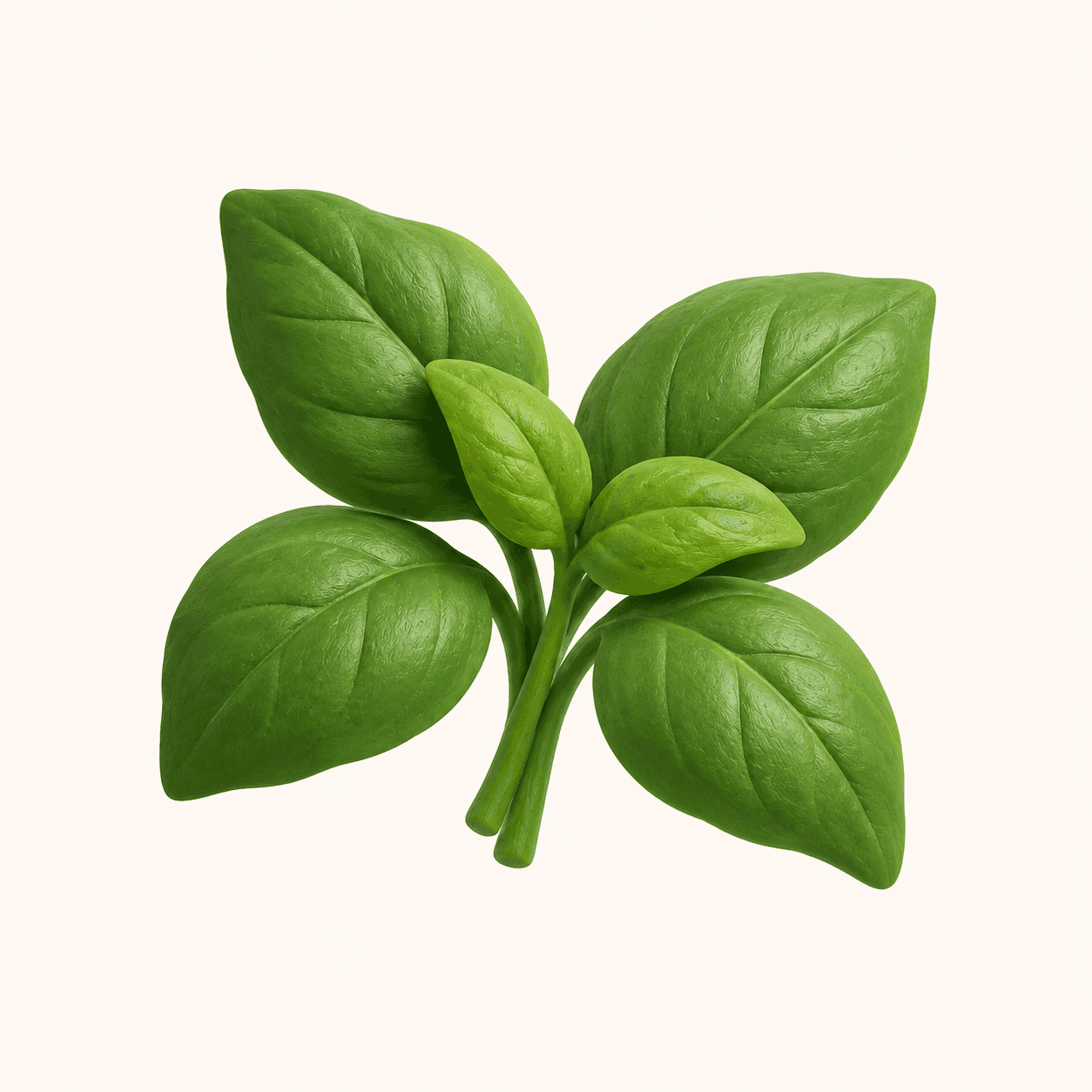
EasyBasil
A tender summer herb that grows fast, hates cold nights, and gives more the more often you cut it.
- Full sun
- 50 to 75 days
- 2 gal pot or bigger
- 6 to 12 in apart
- Takes some care
Bell Pepper
A sweet, warm-season pepper that can be picked green or left to ripen to its final color.
- Full sun
- 70 to 85 days
- 5 gal pot or bigger
- 18 in apart
- For a confident grower
Blueberry
A long-lived fruit shrub that needs much more acidic soil than most garden crops.
- Full sun
- 36 to 48 in apart
- Full sun
- 8 to 10 in apart
- Full sun
- 15 to 18 in apart
 Takes some care
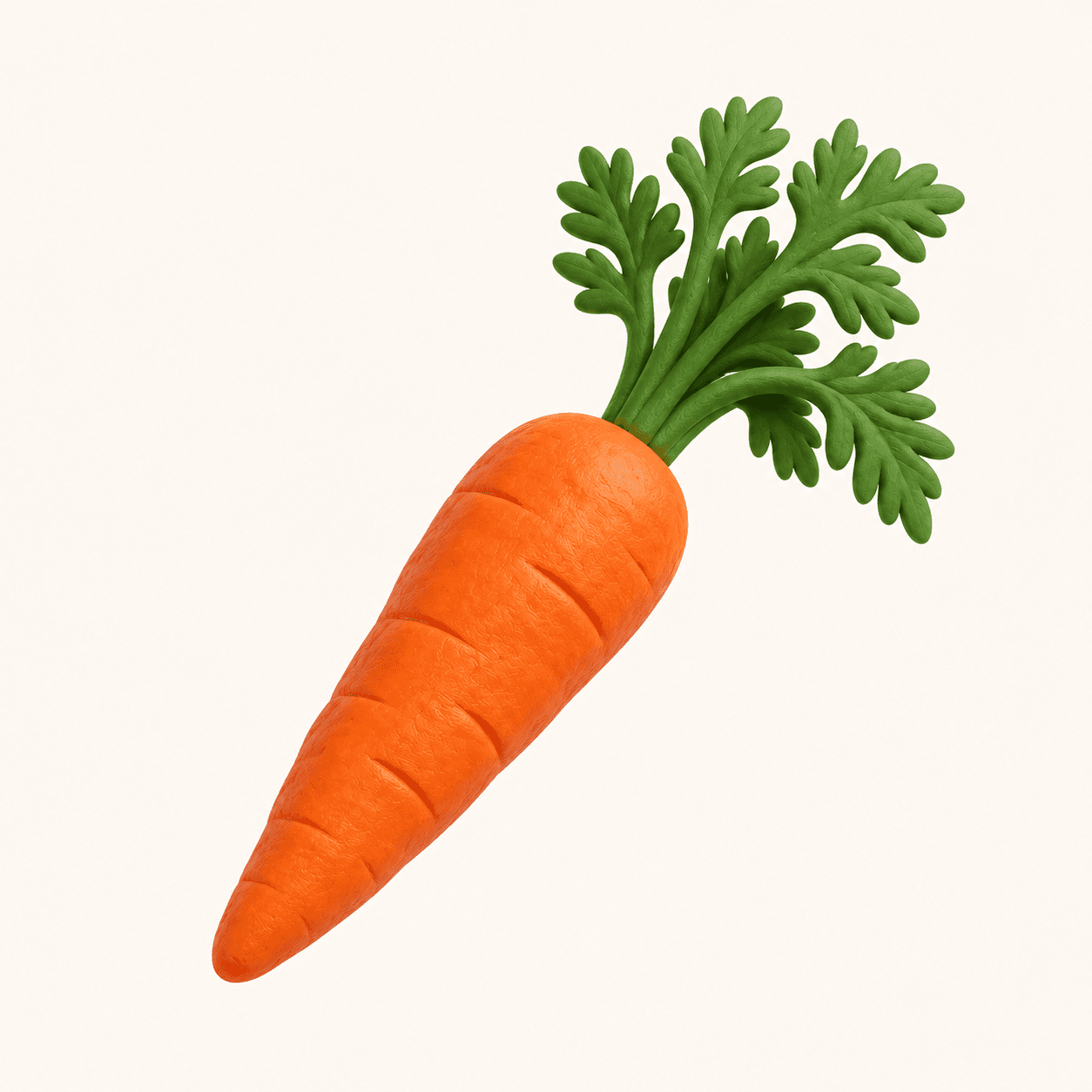
Carrot
A root crop that asks for little except loose, stone free ground and patience while it germinates.
- Full sun
- 70 to 80 days
- 2 to 4 in apart
 Full sun
 50 to 75 days
 2 gal pot or bigger
 6 to 12 in apart
Sources
- Growing Vegetables In Containers (University of New Hampshire Extension)
- Planting the vegetable garden (University of Minnesota Extension)
Crops in this guide
- Easy
Basil
A tender summer herb that grows fast, hates cold nights, and gives more the more often you cut it.
- Full sun
- 50 to 75 days
- 2 gal pot or bigger
- 6 to 12 in apart
- Easy
Lettuce
A fast, cool weather leaf crop that you can pick from for weeks. It is at its best in spring and autumn, and turns bitter in a hot, dry spell.
- Part sun
- 50 to 70 days
- 1 gal pot or bigger
- 5 to 12 in apart
- Takes some care
Carrot
A root crop that asks for little except loose, stone free ground and patience while it germinates.
- Full sun
- 70 to 80 days
- 2 to 4 in apart
- Takes some care
Tomato
A warm season fruit that almost everyone treats as a vegetable, and the crop most people try first. It needs heat, steady water and something to lean on.
- Full sun
- 50 to 85 days
- 5 gal pot or bigger
- 24 to 36 in apart
- Takes some care
Strawberry
A low perennial that fruits for years once established. The first summer is about getting the plants settled; the real crop comes after that.
- Full sun
- 300 to 400 days
- 2 gal pot or bigger
- 12 to 18 in apart