Sunlight Guide
How to count direct sun, match crops to your space, and work with a garden that gets less light.
A place can feel bright without direct sun reaching the leaves. When a crop guide gives hours of sun, count the hours when sunlight falls directly on the growing space.
Watch the space for a day
On a clear day, note when direct sun first reaches the spot and when shade returns. Check again later in the season because trees and nearby plants can change the shade. Use the crop page to compare your total with the plant's needs.
Fruiting crops usually need more light
Warm-season crops grown for fruit, such as tomatoes, peppers, eggplant, and squash, often need about six to eight hours of direct sun. A crop may need more, so use its own guide when one is available.
Leafy crops can use less
Many cool-season leafy crops can use about three to five hours of direct sun. If your space gets less light, leafy greens and some herbs are often a better first choice than fruiting crops. Growth may still be slower in deeper shade.
 Easy
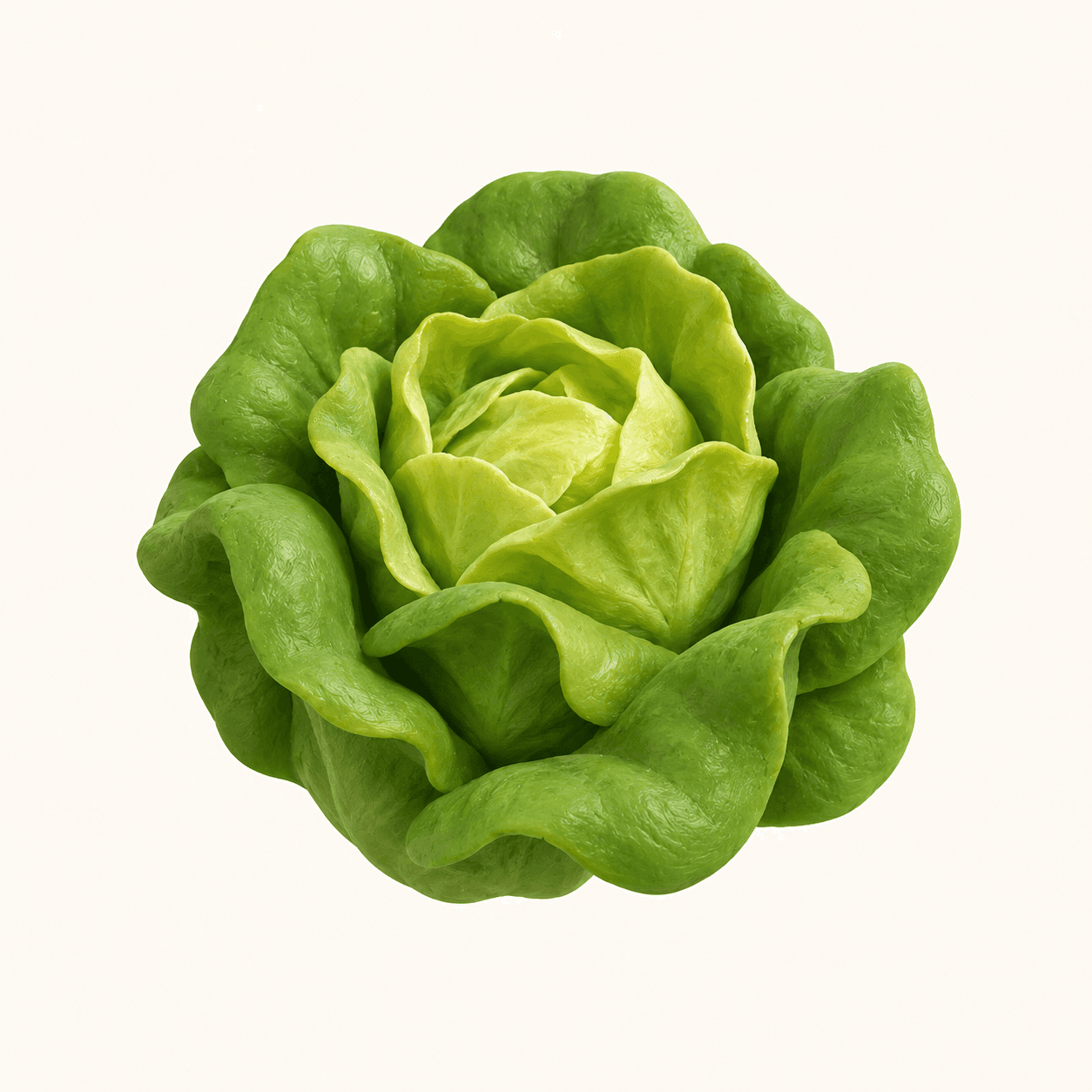
EasyLettuce
A fast, cool weather leaf crop that you can pick from for weeks. It is at its best in spring and autumn, and turns bitter in a hot, dry spell.
- Part sun
- 50 to 70 days
- 1 gal pot or bigger
- 5 to 12 in apart
- Easy
Mint
A quick-growing perennial herb for drinks, cooking and tea. Grow it in a pot because its creeping roots spread fast.
- Part sun
- Grows in a pot
- 18 in apart
 Part sun
 50 to 70 days
 1 gal pot or bigger
 5 to 12 in apart
Sun can also bring heat
Brick, concrete, and other hard surfaces can reflect and hold heat around containers. Southern and western exposures are often sunnier and warmer. Check soil moisture and watch for heat stress instead of treating every sunny spot as the same.
If one spot is too shady, a movable container may help you use a sunnier part of a patio or driveway. Plan the final location before filling a large pot because it can become very heavy.

If your garden gets less sun
- Count the direct sun instead of guessing from brightness.
- Choose leafy crops or herbs that accept fewer hours.
- Avoid crowding plants where light is already limited.
- Use pale walls and pavement as heat clues, not as extra sun hours.
- Expect growth and harvest size to vary with the season.
Sources
- Growing Vegetables in Containers (University of Maryland Extension)
- Growing Potatoes in a Home Garden (University of Maryland Extension)
Crops in this guide
- Easy
Lettuce
A fast, cool weather leaf crop that you can pick from for weeks. It is at its best in spring and autumn, and turns bitter in a hot, dry spell.
- Part sun
- 50 to 70 days
- 1 gal pot or bigger
- 5 to 12 in apart
- Easy
Basil
A tender summer herb that grows fast, hates cold nights, and gives more the more often you cut it.
- Full sun
- 50 to 75 days
- 2 gal pot or bigger
- 6 to 12 in apart
- Takes some care
Carrot
A root crop that asks for little except loose, stone free ground and patience while it germinates.
- Full sun
- 70 to 80 days
- 2 to 4 in apart
- Takes some care
Tomato
A warm season fruit that almost everyone treats as a vegetable, and the crop most people try first. It needs heat, steady water and something to lean on.
- Full sun
- 50 to 85 days
- 5 gal pot or bigger
- 24 to 36 in apart
- Takes some care
Strawberry
A low perennial that fruits for years once established. The first summer is about getting the plants settled; the real crop comes after that.
- Full sun
- 300 to 400 days
- 2 gal pot or bigger
- 12 to 18 in apart