Container Size Guide
How to choose a pot with enough root room, drainage, stability, and water for the crop you want to grow.
The right container depends on the mature plant, not the small seedling you bring home. A suitable pot gives roots room, holds useful moisture, drains extra water, and stays stable as the plant grows.
Use the crop's minimum size
The cards below show the saved minimum pot size when the crop guide has one. Treat it as a starting point. A larger container may dry more slowly, but it also becomes heavier and needs more potting mix.
 Easy
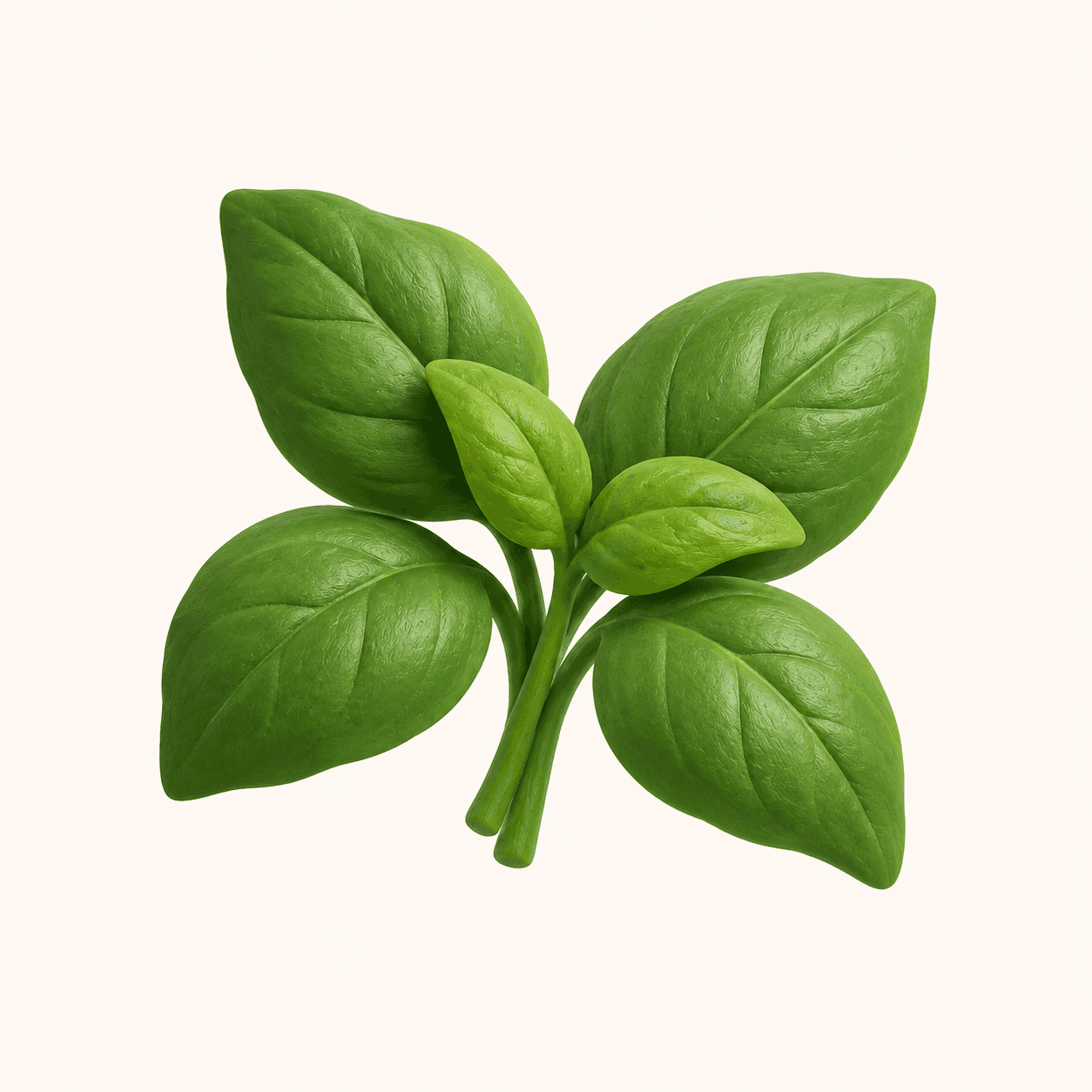
EasyBasil
A tender summer herb that grows fast, hates cold nights, and gives more the more often you cut it.
- Full sun
- 50 to 75 days
- 2 gal pot or bigger
- 6 to 12 in apart
- Takes some care
Bell Pepper
A sweet, warm-season pepper that can be picked green or left to ripen to its final color.
- Full sun
- 70 to 85 days
- 5 gal pot or bigger
- 18 in apart
- Takes some care
Chili Pepper
A warm-season pepper grown for pods that range from gently warm to very hot.
- Full sun
- 70 to 120 days
- 5 gal pot or bigger
- 12 to 24 in apart
- Full sun
- 45 to 80 days
- Grows in a pot
- 3 to 6 in apart
- Takes some care
Cucumber
A warm-season vine grown for crisp green fruit that is picked before it turns yellow.
- Full sun
- Grows in a pot
- 8 to 12 in apart
- Easy
Green Beans
A warm-season crop picked while the pods are crisp and the seeds inside are still small.
- Full sun
- 50 to 60 days
- Grows in a pot
- 3 to 4 in apart
- Easy
Green Onion
An onion grown for its mild green stalks and small white base instead of a dry storage bulb.
- Full sun
- Grows in a pot
- 2 to 4 in apart
- Full sun
- Grows in a pot
- 8 to 12 in apart
 Easy
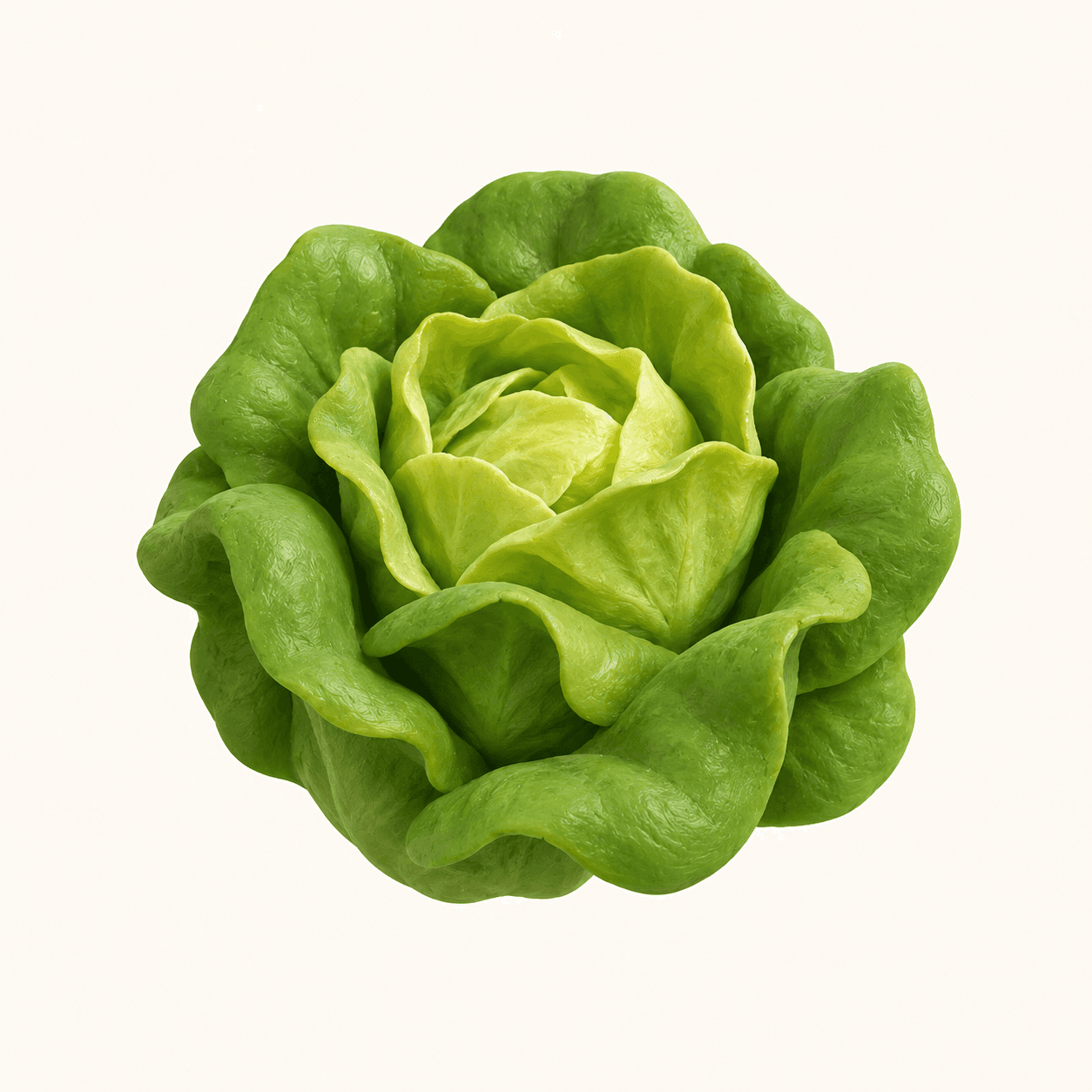
EasyLettuce
A fast, cool weather leaf crop that you can pick from for weeks. It is at its best in spring and autumn, and turns bitter in a hot, dry spell.
- Part sun
- 50 to 70 days
- 1 gal pot or bigger
- 5 to 12 in apart
- Easy
Mint
A quick-growing perennial herb for drinks, cooking and tea. Grow it in a pot because its creeping roots spread fast.
- Part sun
- Grows in a pot
- 18 in apart
- Full sun
- Grows in a pot
- 10 to 12 in apart
- Full sun
- 55 to 70 days
- Grows in a pot
- 1 to 3 in apart
 Full sun
 50 to 75 days
 2 gal pot or bigger
 6 to 12 in apart
Drainage is not optional
Choose a container with a way for extra water to leave. Fill it with a light potting mix that holds moisture while still allowing air and water to move. Ordinary garden soil is often too heavy for a container.
A container still needs an open path for drainage. If water cannot leave the pot, roots can lose the air they need.
Plan for weight before filling
A large container filled with wet mix and plants can be very heavy. Choose its final spot first. On a balcony or deck, check the safe load and plan where drainage water will go. Use a plant caddy before filling if the pot must move.
Match the plant's shape
Bush, dwarf, and compact varieties are often easier in small spaces. A fruiting or fast-growing plant may also need a stake or trellis so it does not become top-heavy. Add support early to avoid damaging crowded roots later.
Check water more often
Containers dry faster than garden soil. Check the mix often during heat and wind, then water thoroughly when it begins to dry. Pot size alone cannot set a watering schedule because the crop, weather, mix, sun, and plant size all matter.
Sources
- Growing Vegetables in Containers (University of Maryland Extension)
- Growing Vegetables In Containers (University of New Hampshire Extension)
Crops in this guide
- Takes some care
Tomato
A warm season fruit that almost everyone treats as a vegetable, and the crop most people try first. It needs heat, steady water and something to lean on.
- Full sun
- 50 to 85 days
- 5 gal pot or bigger
- 24 to 36 in apart
- Easy
Basil
A tender summer herb that grows fast, hates cold nights, and gives more the more often you cut it.
- Full sun
- 50 to 75 days
- 2 gal pot or bigger
- 6 to 12 in apart
- Easy
Lettuce
A fast, cool weather leaf crop that you can pick from for weeks. It is at its best in spring and autumn, and turns bitter in a hot, dry spell.
- Part sun
- 50 to 70 days
- 1 gal pot or bigger
- 5 to 12 in apart
- Takes some care
Strawberry
A low perennial that fruits for years once established. The first summer is about getting the plants settled; the real crop comes after that.
- Full sun
- 300 to 400 days
- 2 gal pot or bigger
- 12 to 18 in apart
- Takes some care
Carrot
A root crop that asks for little except loose, stone free ground and patience while it germinates.
- Full sun
- 70 to 80 days
- 2 to 4 in apart