Beginner Gardening Mistakes
Ten common first-garden problems and the small choices that help prevent them.
Most first-garden problems come from a few ordinary choices, not a lack of talent. Check the basics, change one thing at a time, and use each season to learn your space.
1. Starting too large
A large garden can turn watering, weeding, and harvesting into a burden. Start with one small bed or a few containers. Add more only when the first space feels easy to check.
2. Guessing about sunlight
A bright space may still get little direct sun. Count the hours when sunlight reaches the plants, then choose crops that fit. Leafy crops can often use less direct sun than fruiting crops.
3. Putting the garden far from water
A garden is easier to care for when water is close. Pots and raised beds can dry quickly, so a hard-to-reach garden is easy to neglect during hot weather.
4. Watering by the clock
Check the soil before watering. A fixed schedule cannot account for rain, heat, wind, pot size, soil, or crop growth. Wet soil and dry soil can both cause wilt.
5. Using garden soil in pots
Garden soil can be too heavy for containers. Use a light potting mix and a container with drainage so roots can get water and air.
6. Adding fertilizer before testing
More fertilizer does not fix every weak plant. Test garden soil before adding lime or nutrients. Check light, water, drainage, weather, and root room before assuming the plant needs food.
7. Planting by date alone
A calendar date is only a clue. Crop type, local frost dates, current weather, and soil temperature all matter. Warm-season plants usually need warm soil and protection from frost.
8. Crowding plants
Small seedlings make a bed look empty, but mature plants need room for roots, leaves, light, and air. Use the spacing on the crop page and thin extra seedlings when the guide calls for it.
9. Treating a problem before naming it
A hole, spot, or yellow leaf does not name the cause. Look under leaves, check the soil, and identify the pattern before using a spray or fertilizer. The wrong treatment can create another problem.
10. Waiting too long to harvest
Check producing plants often and pick food at the useful stage shown on the crop page. Regular harvest can help some plants keep producing and prevents tender vegetables from becoming tough or oversized.
A mistake is useful when you write down what happened. Record the crop, date, weather, and one change you tried.

Start with an easier crop
- Full sun
- 25 to 35 days
- Grows in a pot
- 2 to 4 in apart
- Easy
Green Beans
A warm-season crop picked while the pods are crisp and the seeds inside are still small.
- Full sun
- 50 to 60 days
- Grows in a pot
- 3 to 4 in apart
- Full sun
- 50 to 65 days
- 24 to 36 in apart
 Easy
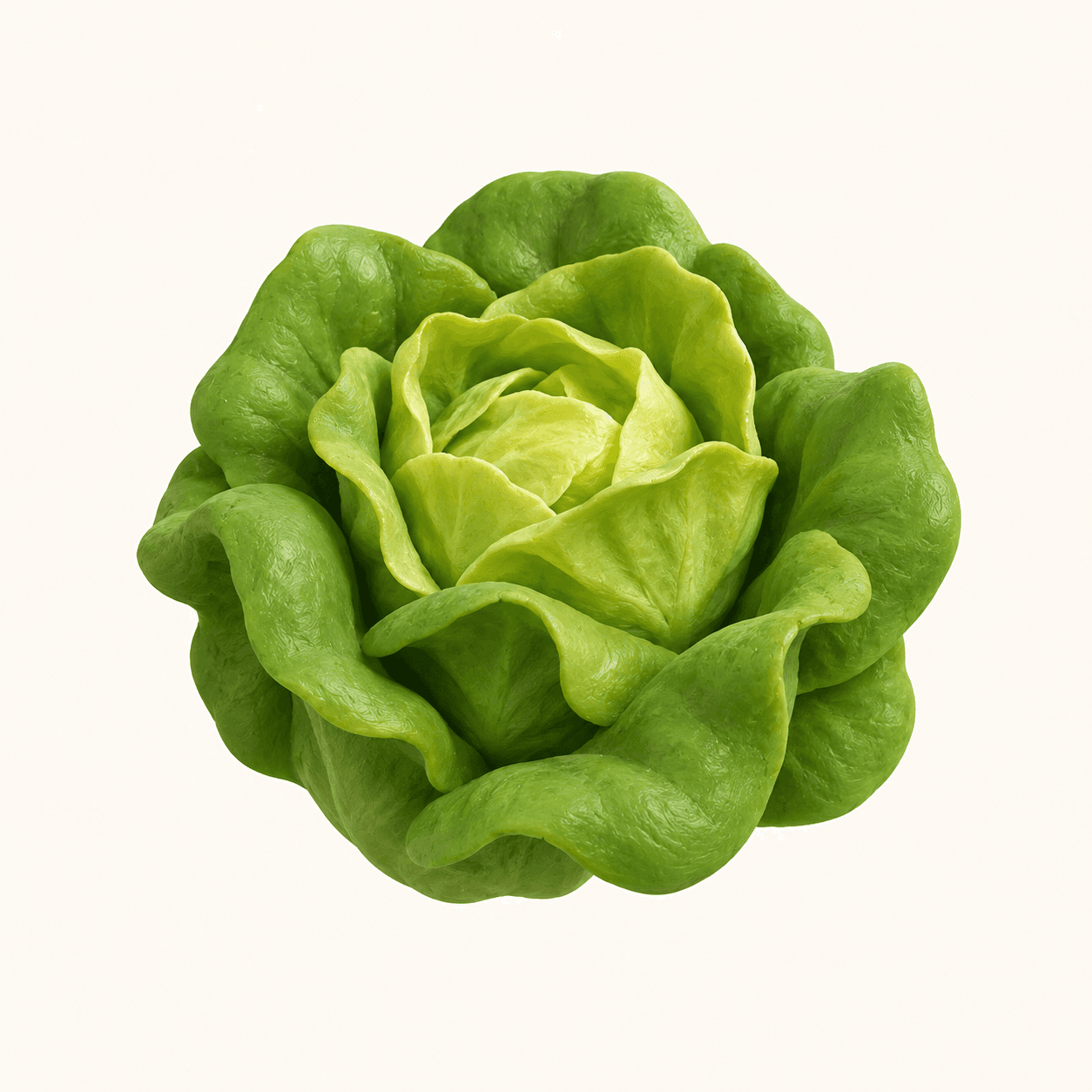
EasyLettuce
A fast, cool weather leaf crop that you can pick from for weeks. It is at its best in spring and autumn, and turns bitter in a hot, dry spell.
- Part sun
- 50 to 70 days
- 1 gal pot or bigger
- 5 to 12 in apart
- Full sun
- 55 to 70 days
- Grows in a pot
- 1 to 3 in apart
 Easy
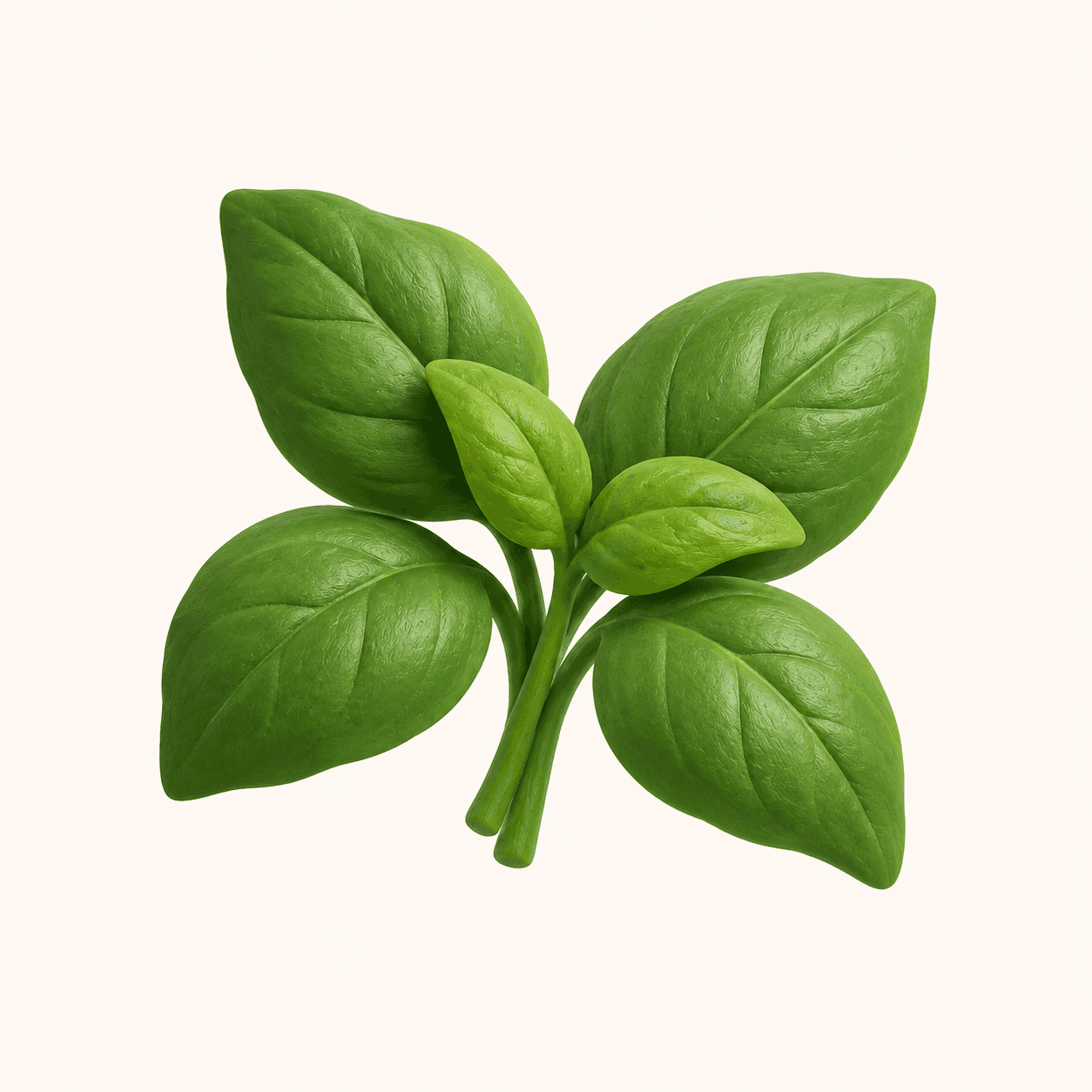
EasyBasil
A tender summer herb that grows fast, hates cold nights, and gives more the more often you cut it.
- Full sun
- 50 to 75 days
- 2 gal pot or bigger
- 6 to 12 in apart

 Full sun
 25 to 35 days
 Grows in a pot
 2 to 4 in apart
Sources
- Planting the vegetable garden (University of Minnesota Extension)
- Growing Vegetables in Containers (University of Maryland Extension)
- Soil Testing (Clemson Cooperative Extension)
- Harvesting Vegetables from the Home Garden (University of Wisconsin-Madison Extension)
Crops in this guide
- Easy
Lettuce
A fast, cool weather leaf crop that you can pick from for weeks. It is at its best in spring and autumn, and turns bitter in a hot, dry spell.
- Part sun
- 50 to 70 days
- 1 gal pot or bigger
- 5 to 12 in apart
- Easy
Basil
A tender summer herb that grows fast, hates cold nights, and gives more the more often you cut it.
- Full sun
- 50 to 75 days
- 2 gal pot or bigger
- 6 to 12 in apart
- Takes some care
Carrot
A root crop that asks for little except loose, stone free ground and patience while it germinates.
- Full sun
- 70 to 80 days
- 2 to 4 in apart
- Takes some care
Tomato
A warm season fruit that almost everyone treats as a vegetable, and the crop most people try first. It needs heat, steady water and something to lean on.
- Full sun
- 50 to 85 days
- 5 gal pot or bigger
- 24 to 36 in apart
- Takes some care
Strawberry
A low perennial that fruits for years once established. The first summer is about getting the plants settled; the real crop comes after that.
- Full sun
- 300 to 400 days
- 2 gal pot or bigger
- 12 to 18 in apart