Seed Starting Guide
A simple indoor seed-starting routine, from choosing crops to moving sturdy seedlings outside.
Starting seeds indoors can give slow or warm-season crops more growing time. It is not required for every plant. Some crops grow quickly outside or dislike having their roots moved, so check the crop page first.
Crops that can start indoors
This list comes from the published crop library. The crop page tells you when to start and when outdoor conditions are suitable.
 Easy
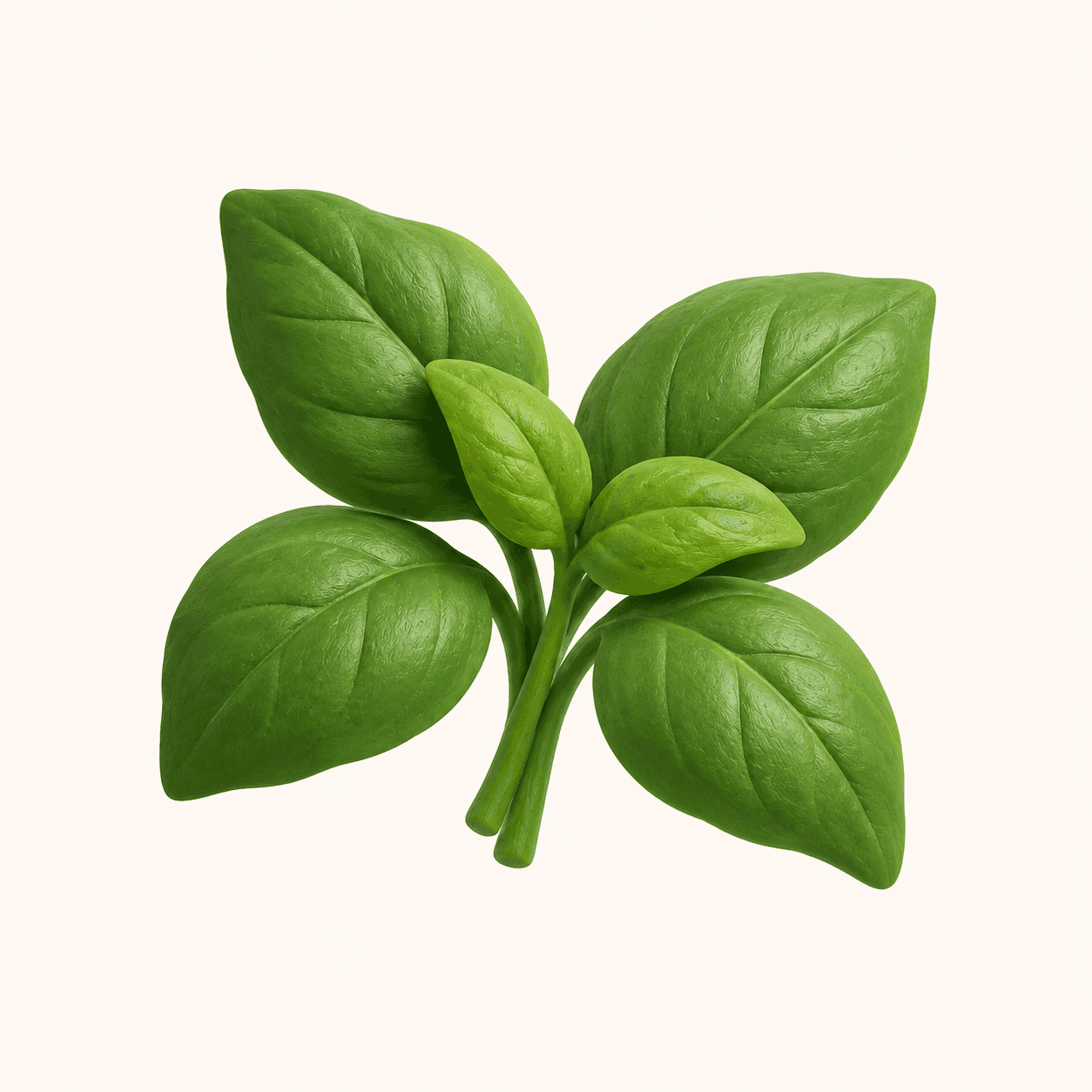
EasyBasil
A tender summer herb that grows fast, hates cold nights, and gives more the more often you cut it.
- Full sun
- 50 to 75 days
- 2 gal pot or bigger
- 6 to 12 in apart
- Takes some care
Bell Pepper
A sweet, warm-season pepper that can be picked green or left to ripen to its final color.
- Full sun
- 70 to 85 days
- 5 gal pot or bigger
- 18 in apart
- Full sun
- 8 to 10 in apart
- Full sun
- 15 to 18 in apart
- Takes some care
Chili Pepper
A warm-season pepper grown for pods that range from gently warm to very hot.
- Full sun
- 70 to 120 days
- 5 gal pot or bigger
- 12 to 24 in apart
- Takes some care
Cucumber
A warm-season vine grown for crisp green fruit that is picked before it turns yellow.
- Full sun
- Grows in a pot
- 8 to 12 in apart
 Full sun
 50 to 75 days
 2 gal pot or bigger
 6 to 12 in apart
Use clean containers that drain
Almost any clean container can work when it is at least two inches deep and has drainage holes. Use a light seed-starting mix instead of garden soil. Garden soil can be too dense for small containers and may carry weeds or plant disease.
Sow at the crop's depth
Moisten dry mix before filling the container. It should feel like a wrung-out sponge, not a soggy mass. Sow at the depth on the seed packet or crop page. Label the crop and variety before moving to the next tray.
Keep seeds moist, not soaked
Seeds need steady moisture while they germinate. Water gently so you do not wash them out. A clear cover can hold warmth and moisture, but remove it as soon as sprouts appear. After that, let the top of the mix come close to dry before watering again.
Constantly soggy mix pushes air away from the roots and can lead to rot. Drainage matters as much as water.
Give seedlings strong light
A normal window often leaves seedlings tall and weak. A bright sunroom may work, but many homes need a broad-spectrum LED or fluorescent grow light. Common setups place the light about two to six inches above the plants for about 14 to 16 hours each day. Follow the light maker's safety directions too.
Thin and move seedlings before they crowd
Keep the strongest seedling in each cell when the crop calls for one. Move crowded seedlings into larger pots soon after their first true leaves appear, before roots tangle. Hold a seedling by a leaf instead of its delicate stem.
Do not start too early
Count back from the crop's safe outdoor planting time. Starting too early can leave you with tall, root-bound plants before the weather is ready. Local frost dates and soil temperature matter more than one national calendar.
Harden seedlings before planting
Indoor seedlings need a gradual move to outdoor sun, wind, and temperature. Give them a little more outdoor exposure over time. Plant on a mild afternoon or a cool, cloudy day when you can, and water them before the move.
Sources
- Starting Vegetable Seeds Indoors (University of Maryland Extension)
- Planting the vegetable garden (University of Minnesota Extension)
Crops in this guide
- Takes some care
Tomato
A warm season fruit that almost everyone treats as a vegetable, and the crop most people try first. It needs heat, steady water and something to lean on.
- Full sun
- 50 to 85 days
- 5 gal pot or bigger
- 24 to 36 in apart
- Easy
Basil
A tender summer herb that grows fast, hates cold nights, and gives more the more often you cut it.
- Full sun
- 50 to 75 days
- 2 gal pot or bigger
- 6 to 12 in apart
- Easy
Lettuce
A fast, cool weather leaf crop that you can pick from for weeks. It is at its best in spring and autumn, and turns bitter in a hot, dry spell.
- Part sun
- 50 to 70 days
- 1 gal pot or bigger
- 5 to 12 in apart
- Takes some care
Carrot
A root crop that asks for little except loose, stone free ground and patience while it germinates.
- Full sun
- 70 to 80 days
- 2 to 4 in apart
- Takes some care
Strawberry
A low perennial that fruits for years once established. The first summer is about getting the plants settled; the real crop comes after that.
- Full sun
- 300 to 400 days
- 2 gal pot or bigger
- 12 to 18 in apart